

The Peace Destinations
Dec 19 • 6 min read
Hong Kong is a city of striking contrasts, where glass towers rise beside quiet temples, and historic ferries glide past neon-lit skylines. It is fast, dense, and endlessly fascinating, offering experiences that go far beyond shopping and skyscrapers. From harbour views and cultural quarters to mountain escapes and island traditions, hong kong attractions are deeply layered and rewarding. Visitors often wonder what to see in Hong Kong, and the city offers a mix of historic sites, modern architecture, and bustling markets that cater to every interest.
Just across the Pearl River Delta lies Macau, a compact city shaped by centuries of Portuguese influence and modern ambition. Many travellers pair both destinations into a seamless hong kong and macau itinerary, discovering heritage sites, grand resorts, and a distinct rhythm of life on each side. Together, they create one of East Asia’s most engaging travel experiences. This combination highlights the best places to visit in Hong Kong and Macau for both first-time visitors and seasoned travellers.
Best Time to Visit Hong Kong and Macau
The best time to explore Hong Kong is from October to March, when temperatures are cooler and humidity drops. This period is ideal for walking around Kowloon, riding the Hong Kong tram on Hong Kong Island, and enjoying harbour views without the summer haze.
Spring brings blooming parks and cultural festivals, while autumn offers clear skies, making it perfect for Victoria Peak and ferry rides across Victoria Harbour. Summer can be hot and wet, but it is quieter and still enjoyable if you plan indoor attractions and early mornings. Timing your visit also depends on what to see in Hong Kong and the hong kong china things to do that interest you most, from museums and temples to markets and hiking trails.
Exploring the Best Hong Kong Attractions
Victoria Harbour and the Star Ferry
Victoria Harbour is the emotional centre of Hong Kong. The skyline, especially at dusk, reflects the city’s constant motion and ambition. One of the most authentic ways to experience it is via the Victoria Harbour ferry, often called the Star Ferry. This is one of the key hong kong sights, offering panoramic views of the city from the water.
The short crossing between Tsim Sha Tsui and Central offers uninterrupted views of Hong Kong Island’s towers and Kowloon’s busy shoreline. It is simple, affordable, and deeply nostalgic, a reminder of how the city once moved before bridges and tunnels.
Tsim Sha Tsui, Avenue of Stars and Nathan Road
Tsim Sha Tsui is where many first encounter the pulse of Hong Kong. The waterfront promenade leads to the Avenue of Stars, celebrating the city’s film heritage with statues, handprints, and open views across the harbour. Evenings here feel cinematic, especially when the skyline lights up. This area is one of the hong kong main attractions and is often included in city tours.
Just inland, Nathan Road runs through the heart of Kowloon. This stretch is energetic and crowded, lined with shops, eateries, and signs stacked high above the pavement. Chungking Mansions, at the southern end, is a cultural microcosm, housing guesthouses, international food stalls, and traders from across Asia. For travellers looking for places to see in Hong Kong China, this district provides an authentic glimpse into local life.
Mong Kok and the Ladies Market
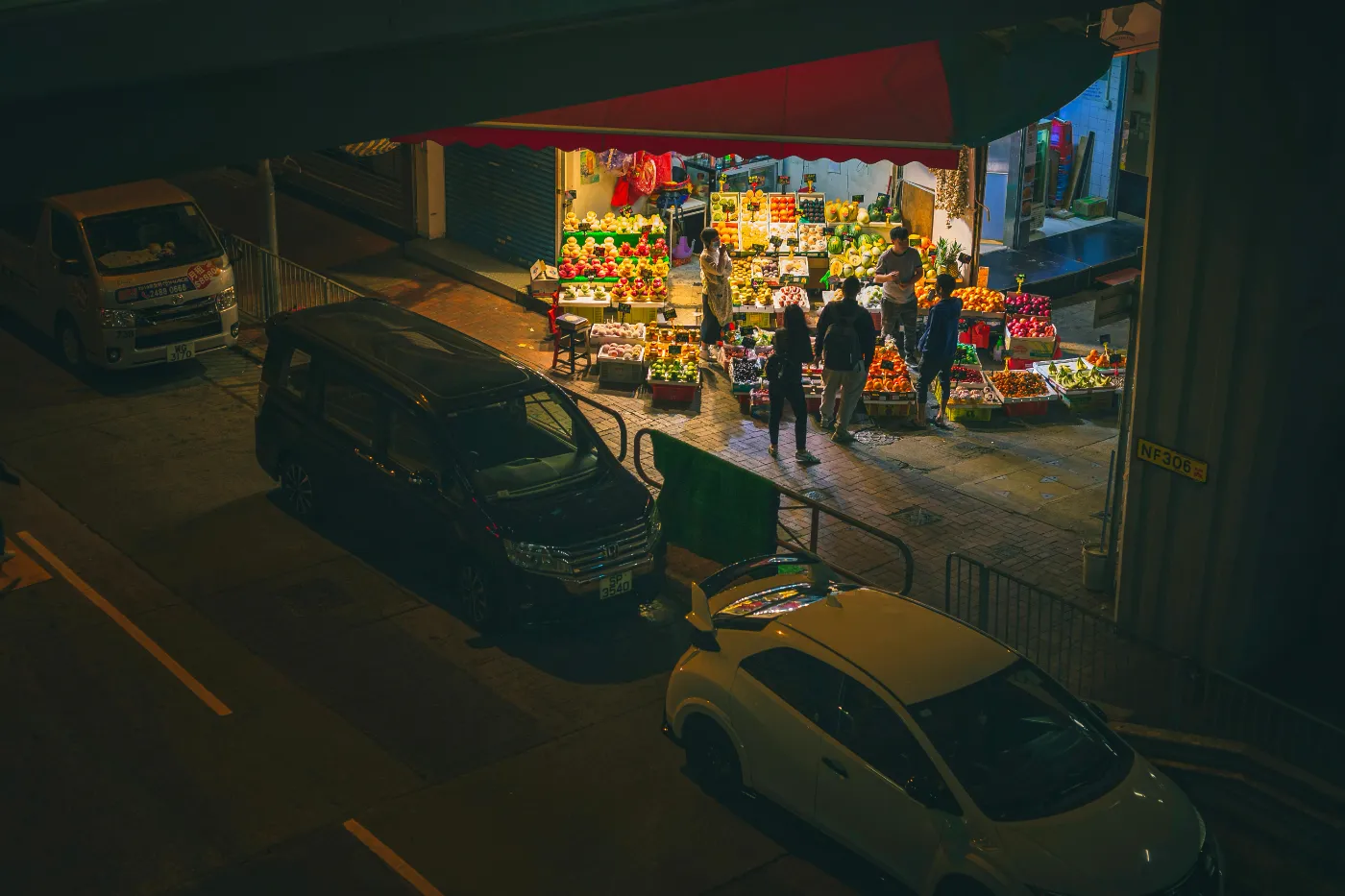
Mong Kok is one of the most densely populated urban areas in the world, and you feel it instantly. Streets are narrow, loud, and full of life. The Ladies Market is a highlight, offering clothing, accessories, and souvenirs alongside street snacks and local chatter. Exploring these areas helps visitors understand the diversity of attractions in Hong Kong China and the vibrancy of its street culture.
Kowloon Walled City Park
nce infamous for its density and lawlessness, the Kowloon Walled City is now a peaceful public park. Walking through its gardens and restored structures, it is hard to imagine what once stood here. Informational displays explain its history, making the visit both reflective and educational. This is another top hong kong attraction for those curious about the city’s past.
Wong Tai Sin Temple
Wong Tai Sin Temple is one of the most spiritually active places in the city. Locals come here to pray for health, fortune, and guidance, often using fortune sticks and incense. The atmosphere is vibrant yet reverent, filled with murmured prayers and drifting smoke.
The temple reflects the blend of Taoist, Buddhist, and Confucian beliefs that shape much of Hong Kong’s traditional culture.
Man Mo Temple and Central
On Hong Kong Island, Man Mo Temple offers a calmer spiritual experience. Dedicated to the gods of literature and war, it is known for its large spiral incense coils hanging from the ceiling. The scent and low light create a contemplative mood.
Nearby Central is modern and efficient, home to offices, galleries, and historic streets. The contrast between temple courtyards and glass towers captures the essence of Hong Kong Island.
Victoria Peak
Victoria Peak is one of the most famous Hong Kong attractions, and for good reason. From the top, the city spreads out in every direction, with Victoria Harbour cutting through the skyline below. Clear days offer views deep into Kowloon and across the water.
You can reach the summit by Peak Tram or road, and walking trails around the area provide quieter vantage points away from the main viewing decks.
Central-Mid-Levels Escalators
The Central-Mid-Levels Escalators form the longest outdoor covered escalator system in the world. More than a transport feature, they connect neighbourhoods filled with cafés, bars, and small shops.
Riding the escalators gives insight into daily life on Hong Kong Island and reveals hidden streets you might otherwise miss.
Yick Cheong Building and Monster Building Hong Kong
Known collectively as the Monster Building Hong Kong, Yick Cheong Building is a striking example of dense residential architecture. Its towering walls of balconies create an almost surreal urban landscape.
While popular with photographers, it remains a residential area, so visitors should be respectful and quiet when exploring the courtyards.
Lantau Island, Ngong Ping and the Big Buddha
Lantau Island feels far removed from the city’s intensity. The Ngong Ping Cable Car offers a scenic journey over hills, sea, and airport runways, leading to the Ngong Ping plateau.
Here stands the Tian Tan Buddha, also known as the Big Buddha Hong Kong. The statue overlooks the landscape in quiet dignity. Nearby, Po Lin Monastery welcomes visitors with incense, vegetarian meals, and a slower pace that encourages reflection.
Crossing to Macau: Attractions Beyond Hong Kong
Hong Kong-Zhuhai-Macau Bridge
The Hong Kong-Zhuhai-Macau Bridge connects the cities in under an hour, making day trips or overnight stays easy. It symbolises the growing connection between Hong Kong and Macau while offering a unique travel experience across open water.
Macau Peninsula: History and Heritage
The Macau Peninsula is the historic heart of the city. The Ruins of St. Paul’s stand at the top of a stone staircase, a reminder of Macau’s colonial past. Nearby, Senado Square is paved with wave-patterned tiles and surrounded by pastel-coloured buildings.
Macau colonial architecture is best appreciated here, where churches, civic buildings, and narrow streets reflect centuries of cultural blending.
Modern Macau: Taipa and Cotai
Taipa showcases a more modern side of Macau. Galaxy Macao and The Venetian Macao dominate the skyline, offering shopping, dining, and entertainment under one roof.
The Venetian canals Macau recreate a European atmosphere, complete with gondolas and painted skies. Nearby, The Parisian Macao features the Eiffel Tower Macao, providing panoramic views over the Cotai Strip.
Casinos and Luxury Hotels
Macau casinos are world-famous, but even non-gamblers find them impressive. Properties like the Grand Lisboa Hotel are architectural landmarks, while Macau luxury hotels focus on comfort, dining, and design rather than just gaming.
Where to Stay
In Hong Kong, Tsim Sha Tsui and Central offer convenient access to major attractions and transport. Luxury hotels cluster around Victoria Harbour, while budget-friendly stays are common in Kowloon.
In Macau, staying on the Macau Peninsula suits history lovers, while Taipa and Cotai are ideal for resort-style accommodation and entertainment.
Practical Tips for Visiting Hong Kong and Macau
- Use an Octopus Card for seamless city travel
- Expect plenty of walking across Hong Kong districts
- Dress modestly when visiting temples and monasteries
- Keep noise low in residential neighbourhoods
- Carry some cash for markets and small eateries
- Use ferries for scenic harbour crossings
- Check weather before outdoor sightseeing plans
- Allow extra time for Macau border crossings
FAQs
Q1. Is Hong Kong safe for travellers?
Yes, Hong Kong is considered very safe, even for solo travellers, with low crime rates and reliable transport.
Q2. How many days are enough for Hong Kong and Macau?
A combined Hong Kong and Macau itinerary works well over 6 to 8 days, allowing time for major attractions and slower exploration.
Q3. Can I visit Macau as a day trip from Hong Kong?
Yes, ferries and the Hong Kong-Zhuhai-Macau Bridge make day trips easy, though an overnight stay offers a fuller experience
Q4. What is the best way to get around Hong Kong?
The MTR is the fastest option, complemented by the Hong Kong tram and harbour ferries for scenic routes.
Q5. Do I need separate visas for Hong Kong and Macau?
Visa requirements vary by nationality, so it is best to check before travelling, as Hong Kong and Macau have separate entry rules.
Conclusion
Hong Kong and Macau together offer a rich blend of culture, history, and modern spectacle. From the busy streets of Kowloon and the calm of Lantau Island to the heritage squares and grand resorts of Macau, each experience adds a new layer to your journey.
Whether you are drawn by iconic skylines, spiritual landmarks, or everyday street life, these destinations reward curiosity and slow exploration. Hong Kong attractions, hong kong china attractions, and other hong kong sights make the city unforgettable, while Macau adds a complementary historical and cultural dimension. You can discover more thoughtfully curated guides and hidden insights like this on The Peace Destinations website.
 Trustpilot