
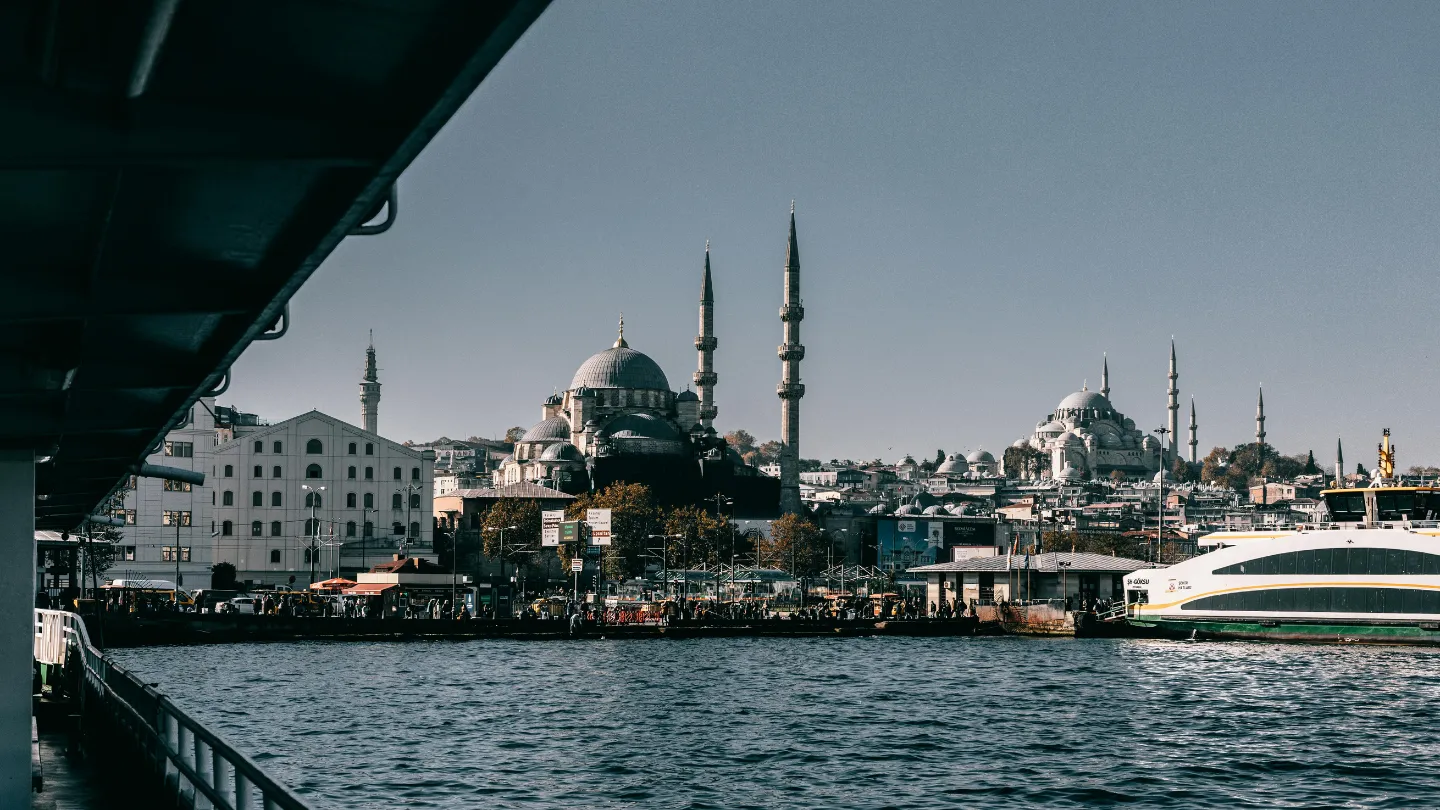
Istanbul is one of the most fascinating cities in the world, shaped by centuries of trade, empire and cultural exchange. Standing at the point where Europe meets Asia, it offers an atmosphere that feels layered and constantly shifting. This Istanbul travel guide explores the heart of the city, helping you understand its districts, historic landmarks and everyday rhythms so you can plan a meaningful trip.
The city blends the legacy of Byzantium and the Ottomans with a modern identity. Iconic monuments such as Hagia Sophia, the Blue Mosque, Topkapi Palace and the Basilica Cistern define the Sultanahmet area, while neighbourhoods like Balat, Karaköy and Ortaköy offer cafes, galleries and a closer look at local life. Istanbul Turkey is also known for its dramatic viewpoints, traditional hamams, vibrant markets and the Bosphorus, which remains central to how the city moves and breathes.
This guide stays focused on what matters most for experiencing Istanbul well: how to get around, what to see, where to stay and the practical details that make travelling here smoother.
How to Get to Istanbul
Istanbul is served by two major airports: Istanbul Airport (IST) on the European side and Sabiha Gokcen Airport (SAW) on the Asian side. IST is the main international hub and the easier choice for most travellers. SAW serves low-cost carriers and domestic routes.
From either airport, you can reach the city by taxi, metro or the express bus. The new Istanbul metro line connects IST directly to central districts, offering a straightforward option if you're travelling light. Taxis are widely available, though it helps to use an official queue or a ride-hailing app to avoid inflated fares. Istanbul taxis are metered, but traffic can be slow during peak hours, especially around Sultanahmet and Karaköy.
If you’re arriving from other Turkish cities, coaches link Istanbul with major destinations across the country, and fast trains connect Ankara with the Marmaray and metro lines to help you reach the city centre.
Exploring Istanbul: Key Districts and Highlights
Sultanahmet and the Historic Peninsula
Sultanahmet is where most first-time visitors begin. This compact area holds several of the world’s most famous historic structures, many within walking distance of each other.
Hagia Sophia
A masterpiece of Byzantine engineering, later transformed into an Ottoman mosque, Hagia Sophia stands at the centre of Istanbul’s identity. Inside, the vast dome and soft, muted light create a quiet, surreal atmosphere. Its historic layers are easy to trace, from marble columns to residual Christian mosaics.
Blue Mosque
Directly opposite Hagia Sophia, the Blue Mosque is still an active place of worship. Its interior is lined with thousands of Iznik tiles in soft blues and greens. Early mornings or late evenings offer a calmer visit.
Topkapi Palace
The former home of Ottoman sultans, Topkapi Palace offers a deeper look at royal life. The courtyards, chambers and treasury trace centuries of culture and governance. Views from the terrace stretch across the Bosphorus.
Basilica Cistern
Hidden beneath the streets, this underground reservoir is atmospheric and dimly lit, supported by hundreds of columns. The soft echoes and reflections make it one of the city’s most memorable experiences.
Markets and Historic Trade Routes
Grand Bazaar
One of the world’s oldest covered markets, the Grand Bazaar is a maze of lanes filled with textiles, ceramics, jewellery and traditional crafts. It reflects Istanbul Middle East trade culture with a strong emphasis on artisan goods.
Spice Bazaar
Closer to the Bosphorus, the Spice Bazaar offers a more compact experience. Here you’ll find Turkish delight, herbs, dried fruits and tea blends stacked in colourful displays.
Neighbourhoods with Character
Balat Neighbourhood
Known for its Balat colourful houses, steep streets and restored buildings, Balat is ideal for wandering on foot. Kiremit Street is one of the most photographed spots, lined with bright facades that show the area’s renewed cultural energy.
Karaköy
A waterfront district mixing cafes, bakeries and boutiques with restored stone buildings. Galata Tower stands above its streets, and the area connects easily to the tunnel funicular and ferries.
Galata Tower
This medieval tower offers one of the best Istanbul viewpoints. From the top, the Bosphorus, Golden Horn and city skyline spread out in all directions.
Palaces and Mosques Along the Bosphorus
Dolmabahce Palace
A 19th-century Ottoman palace with European-influenced architecture. The grand halls, crystal staircase and waterfront location make it one of the city’s most impressive sites.
Suleymaniye Mosque
Often quieter than Sultanahmet’s mosques, Suleymaniye sits high above the Golden Horn and offers wide views along with calm courtyards.
Ortakoy Mosque
Right beside the Bosphorus Bridge, the Ortakoy Mosque frames classic views of Istanbul Turkey. The surrounding area is lively with cafes, street food stalls and craft vendors.
Streets, Rooftops and Viewpoints
Umbrella Street Istanbul
A narrow lane in Karaköy decorated with colourful umbrellas overhead. It’s a small but photogenic stop for travellers exploring the area.
Istanbul rooftops
Several cafes have rooftop terraces overlooking the Old City and the Bosphorus. Taht Rooftop Istanbul is known for its sweeping views and traditional seating setups.
Seven Hills Restaurant view
One of the most recognisable viewpoints in Sultanahmet, offering a panorama of the Blue Mosque and Hagia Sophia.
Experiences and Relaxation
Bosphorus
Cruising along the Bosphorus gives you a sense of the city’s geography. Ferries pass Ottoman mansions, palaces and hillside neighbourhoods that can’t be seen from the road.
Kilic Ali Pasa Hamam
A restored Ottoman bathhouse in Karaköy. The experience follows traditional bathing rituals, offering a calm break from the city’s noise.
Things to Do in Istanbul
- Walk between Hagia Sophia, Blue Mosque and Topkapi Palace
- Visit the Basilica Cistern
- Explore the Grand Bazaar and Spice Bazaar
- Wander the lanes of Balat and Kiremit Street
- Climb Galata Tower
- Enjoy a Bosphorus ferry ride
- Relax in a traditional hamam
- Visit Dolmabahce Palace and Suleymaniye Mosque
- Photograph Umbrella Street Istanbul
- Catch sunset from an Istanbul rooftop
Where to Stay
Staying in Istanbul depends on the kind of experience you want. Luxury travellers often choose the Four Seasons Hotel Sultanahmet, Ciragan Palace Kempinski or Raffles Istanbul, each offering refined comfort and strong locations. Mid-range options such as Sirkeci Mansion, The Marmara Taksim and Bankerhan Hotel Galata provide convenient access to key areas without stretching the budget. For affordable stays, Cheers Hostel Sultanahmet, Agora Guesthouse and Stay Inn Taksim are reliable choices for comfort and value. Areas close to Sultanahmet work well for historic sightseeing, while Karaköy and Galata suit travellers who prefer a mix of food, culture and easy transport connections.
Tips or Practical Advice
- The Istanbul metro is reliable for most major routes, though transfers can be crowded in peak hours.
- Use the Istanbulkart for buses, trams, ferries and metro lines.
- Taxis vary in quality. Ensure the meter is running and avoid unmarked cars.
- Dress respectfully when visiting mosques; a headscarf is required for women.
- Markets often allow polite bargaining.
- The best time to visit Istanbul is spring or autumn, when temperatures are mild and walking between districts is more comfortable.
- Sultanahmet becomes very busy from mid-morning onwards. Visiting early improves the experience.
Frequently Asked Questions (FAQs)
Q: What is the best time to visit Istanbul?
Spring and autumn offer mild temperatures, fewer crowds and clearer views across the Bosphorus.Q: Which neighbourhoods are best for first-time visitors?
Sultanahmet for historic attractions, and Karaköy or Galata for a mix of restaurants, culture and easy transport.Q: Are Istanbul taxis reliable?
Most are fine, but it’s important to ensure the meter is used. Ride-hailing apps help avoid disputes.Q: How long should I spend in Istanbul?
Three to five days allows enough time to explore both the Old City and several neighbourhoods along the Bosphorus.Q: Which markets are essential to visit?
The Grand Bazaar for crafts and carpets, and the Spice Bazaar for tea, Turkish delight and dried foods.
Spring and autumn offer mild temperatures, fewer crowds and clearer views across the Bosphorus.
Sultanahmet for historic attractions, and Karaköy or Galata for a mix of restaurants, culture and easy transport.
Most are fine, but it’s important to ensure the meter is used. Ride-hailing apps help avoid disputes.
Three to five days allows enough time to explore both the Old City and several neighbourhoods along the Bosphorus.
The Grand Bazaar for crafts and carpets, and the Spice Bazaar for tea, Turkish delight and dried foods.
Q: Is Istanbul suitable for solo travellers?
Yes. Main districts are busy, well-lit and easy to navigate with metro and ferries.Q: How do I reach the city centre from the airports?
IST connects by metro and express buses; SAW uses shuttle buses and taxis.
Yes. Main districts are busy, well-lit and easy to navigate with metro and ferries.
IST connects by metro and express buses; SAW uses shuttle buses and taxis.
Conclusion
Istanbul is best experienced by exploring its neighbourhoods, walking its historic streets and taking time to understand the layers that have shaped the city. From Sultanahmet’s landmarks to the quieter streets of Balat and the waterfront energy of Karaköy, each area offers its own style of travel.
If you’d like to discover more destinations with the same level of detail, you can explore further guides on The Peace Destinations website.
Read more: Top 15 Must-Visit Places Once in a Lifetime
Istanbul is best experienced by exploring its neighbourhoods, walking its historic streets and taking time to understand the layers that have shaped the city. From Sultanahmet’s landmarks to the quieter streets of Balat and the waterfront energy of Karaköy, each area offers its own style of travel.
If you’d like to discover more destinations with the same level of detail, you can explore further guides on The Peace Destinations website.
Read more: Top 15 Must-Visit Places Once in a Lifetime
Want to explore?
Explore the world with our highly expert guides and affordable tour packages. Book your next trip with us today or Get a quote for your next trip!



 Trustpilot