

The Peace Destinations
Jan 23 • 6 min read
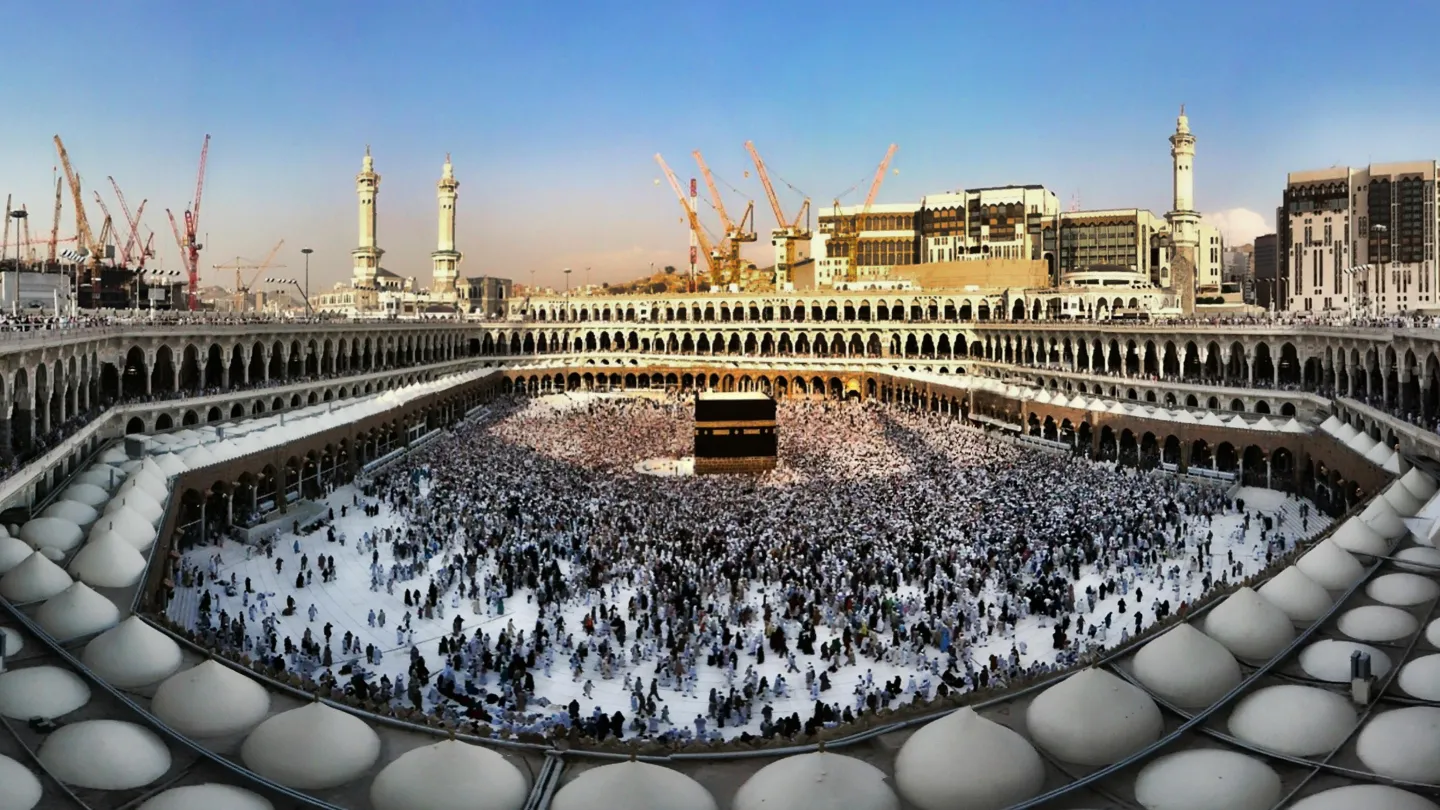
For many Muslims, performing Umrah in Ramadan is a dream filled with deep spiritual meaning. The holy month already carries a special atmosphere of mercy, forgiveness, and closeness to Allah, and experiencing it in Mecca takes that feeling to another level. The sight of the Kaaba, the sound of Quran recitation in Ramadan, and the shared devotion of millions of worshippers create memories that stay in the heart forever.
Umrah during Ramadan is not just a journey of travel. It is a journey of the soul. People come seeking repentance in Ramadan, hoping for forgiveness in Ramadan, and longing to renew their connection with Allah. The Umrah pilgrimage in this sacred month feels more intense, more emotional, and more purposeful.
This guide will walk you through everything you need to know, from Umrah preparation and Umrah travel preparation to Umrah rituals step by step, including how to perform Umrah while fasting. Whether it is your first visit or a return to the House of Allah, this Mecca Umrah guide will help you plan wisely and worship with peace of mind.
The Best Time to Perform Umrah in Ramadan
Many people ask about the best time to perform Umrah in Ramadan. The simple answer is that every day and night of this month is blessed, but some periods feel more spiritually charged and more crowded than others.
The first 20 days of Ramadan Umrah are usually slightly calmer compared to the last part of the month. If you prefer a little more space and easier crowd management in Haram, this period can be more comfortable, especially for elderly pilgrims or families.
The last 10 days of Ramadan Umrah, however, are extremely special. These nights include Laylatul Qadr, the Night of Power, which is better than a thousand months. Umrah in the last ten nights of Ramadan, or Laylatul Qadr Umrah, is something many people dream of, even though the crowds are much larger and movement is slower.
In practical terms, the best time to go for Umrah in Ramadan depends on your physical strength, budget, and what kind of experience you are seeking. Some want the calm focus of the early days, while others want the unmatched spiritual intensity of the final nights.
Why Umrah in Ramadan Is So Special
One of the most quoted teachings about this journey is the Umrah-equal-to-Hajj hadith, where the Prophet ﷺ mentioned that Umrah in Ramadan carries the reward of Hajj with him, though it does not replace the obligation of Hajj. This is one of the reasons Umrah rewards in Ramadan are spoken about with such reverence.
Beyond the reward, the spiritual benefits of Umrah in the holy month of Ramadan are felt in many ways. You find yourself praying at the Kaaba with tears in your eyes, making sincere Umrah duas, and spending long hours in dhikr in Masjid al-Haram. The nights are filled with Taraweeh in Masjid al-Haram and Qiyam al-Layl in Mecca, and the days are shaped by fasting and quiet reflection.
Worship in Mecca during Ramadan feels more focused. Even simple acts, like drinking Zamzam water or sitting in silence facing the Kaaba, carry a depth that is hard to describe.
Read more: Step by step guide to perform Umrah
Umrah Preparation Before You Travel
Good Umrah preparation makes a huge difference, especially in Ramadan when energy levels can be lower due to fasting.
Start with Umrah visa requirements and make sure your documents are in order well in advance. Then look into Umrah flights and accommodation. Booking hotels near Haram early is important, as places fill up quickly and prices rise closer to the last ten nights.
Your Umrah packing list should be simple but thoughtful. Include light Ihram clothing, comfortable walking shoes or sandals, basic medicines, a small bag for the mosque, and a Quran. Think about what to pack for Umrah in Ramadan with the heat and long walking distances in mind.
For practical needs, many pilgrims also arrange a Saudi SIM card for Umrah to stay in touch with family and manage bookings. Sorting out Saudi Riyal exchange before or soon after arrival helps with managing money in Mecca without stress.
Entering the State of Ihram and Making Niyyah
Your journey truly begins with entering Ihram. This is not just a change of clothes but a change of state and intention. When entering Ihram, you make the Niyyah for Umrah and begin the Talbiyah.
Ihram for Umrah has clear rules, and following them helps you stay focused on worship rather than distractions. From this point on, every step feels purposeful, and even the walk towards Masjid al-Haram becomes an act of devotion.
Umrah Rituals Step by Step
Tawaf Around the Kaaba
The first main ritual is Tawaf around Kaaba. You walk around the Kaaba seven times, starting from the Black Stone. Learning how to perform Tawaf properly, with patience and awareness of others, is very important, especially in Ramadan when the crowds are large.
This is a moment of deep emotion. You are standing in front of the House of Allah, making dua, remembering your sins, and asking for a new beginning.
Sa’i Between Safa and Marwah
After Tawaf, you perform Sa’i between Safa and Marwah. This walk reminds us of the struggle and trust of Hajar, and it gives a powerful lesson in patience and reliance on Allah. Knowing how to perform Sa’i helps you focus on its meaning rather than just the physical movement.
Halq and Qasar
The final step is Halq or Qasar, where men shave or shorten their hair and women cut a small portion. With this, your Umrah pilgrimage is complete, and you leave the state of Ihram.
Performing Umrah During Fasting
Many people wonder how to perform Umrah while fasting. It is completely possible, but it requires good planning and honest awareness of your physical limits.
Try to do Tawaf and Sa’i at times when it is less crowded, such as late at night or early in the morning. Stay hydrated during non-fasting hours and eat light but nourishing meals at suhoor and iftar. Umrah during heat can be tiring, so take breaks and do not rush.
Remember, Allah values sincerity more than exhaustion. If needed, you can rest and continue your worship later.
Life in Masjid al-Haram During Ramadan
The atmosphere inside Masjid al-Haram in Ramadan is unlike anywhere else in the world. The days are filled with quiet Quran recitation in Ramadan, and the nights come alive with night prayers in Ramadan.
Taraweeh in Masjid al-Haram is a deeply moving experience, and many people stay for Qiyam al-Layl in Mecca during the last ten nights. Even finding a place to sit and make dhikr in Masjid al-Haram feels like a gift.
Where to Stay in Mecca During Ramadan
Choosing the right hotel matters a lot in Ramadan. Booking hotels near Haram saves energy and time, especially when you are fasting and walking long distances is harder.
There are luxury options with direct or close views of the mosque, and there are also more affordable hotels a little further away with shuttle services. The key is to balance comfort, budget, and distance so that your focus stays on worship, not exhaustion.
Practical Tips for a Better Umrah Experience
- Crowd management in Haram is a real challenge during Ramadan. Always be patient, move slowly, and look after those around you.
- Walking during Umrah is unavoidable, so wear comfortable footwear and look after your feet. Follow Umrah health and safety tips by resting when needed and seeking medical help if you feel unwell.
- Keep a simple Umrah checklist with your documents, hotel details, and prayer plans. Small preparations remove big worries.
Maintaining Spirituality After Umrah
Many people feel a strong desire to change their lives after returning home. Maintaining spirituality after Umrah is about turning that feeling into habits.
Life after Umrah can include continuing good deeds after Ramadan, such as keeping a Tahajjud prayer habit, fasting Mondays and Thursdays, daily Quran reading, and daily dhikr. These small, consistent actions help keep the light of Mecca alive in your heart.
FAQs
Q1. Is Umrah in Ramadan equal to Hajj?
The reward is equal in virtue, based on the hadith, but it does not replace the obligation of Hajj.
Q2. Which is the best time to perform Umrah in Ramadan?
Spiritually, the last ten nights are very special, but the first 20 days are usually less crowded.
Q3. Can I perform Umrah while fasting?
Yes, many people do. Plan your rituals during cooler or quieter hours and take care of your health.
Q4. What should I pack for Umrah in Ramadan?
Ihram clothes, comfortable footwear, basic medicines, a Quran, and light, breathable clothing.
Q5. How crowded is Umrah in the last ten nights of Ramadan?
It is extremely crowded, especially on the odd nights, but the spiritual atmosphere is unmatched.
Q6. Do I need to book hotels near Haram in advance?
Yes, especially for Ramadan, as rooms fill quickly and prices increase closer to the last days.
Conclusion
Performing Umrah in Ramadan is a journey that stays with you long after you return home. From the first sight of the Kaaba to the quiet moments of dua in the night, everything feels deeper and more meaningful in this blessed month.
With the right Umrah guide, good preparation, and a sincere heart, this journey can become a turning point in your life. If you are planning your own spiritual travels, you can find more helpful guides and inspiring destinations on The Peace Destinations, where meaningful journeys always come first.



 Trustpilot