
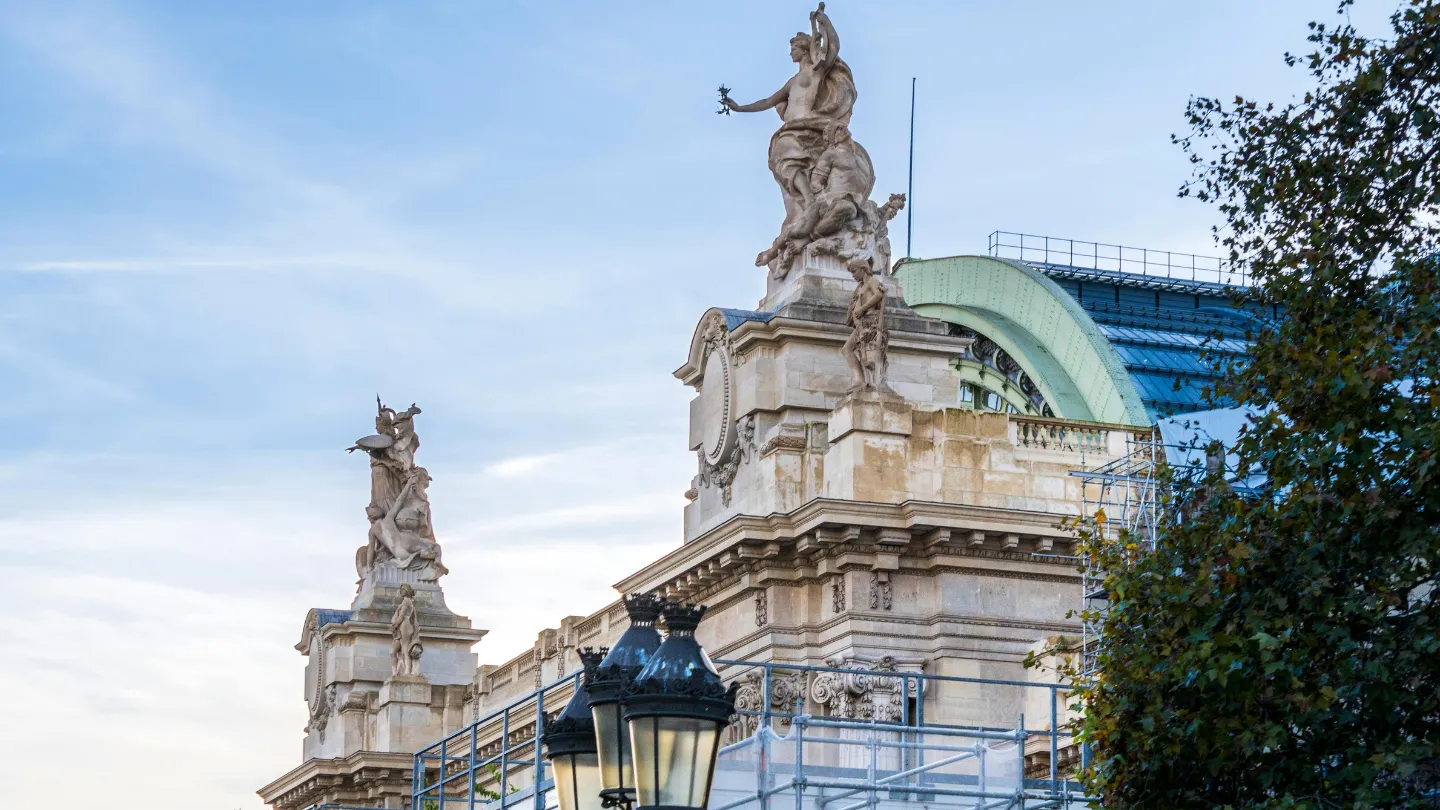
Seville, the vibrant heart of Andalusia, is a city where history, culture, and architecture blend seamlessly. Known for its stunning Moorish influences, lively festivals, and winding historic streets, Seville offers visitors a wealth of experiences. From the majestic Royal Alcazar of Seville to the panoramic views of the Giralda tower, the city captivates travellers seeking both beauty and heritage. Whether you’re strolling through the Santa Cruz district or enjoying tapas by the Guadalquivir River, Seville promises a rich and authentic Spanish experience.
How to Get to Seville
Seville is accessible by air, rail, and road. Seville Airport (SVQ) connects the city to major European hubs. For travellers within Spain, high-speed AVE trains link Seville to Madrid and Barcelona, offering a comfortable and scenic journey. Driving into the city allows flexibility for exploring the outskirts, including Pueblos Blancos and nearby historic towns. Once in Seville, the compact historic centre makes walking and cycling particularly convenient, enhancing the sightseeing experience.
Main Attractions and Experiences
Royal Alcazar of Seville
The Royal Alcazar of Seville, or Reales Alcazares de Sevilla, is a must-see landmark. This Moorish palace, still in use by the Spanish king, showcases intricate tile work, lush gardens, and exquisite courtyards. Booking Alcazar Seville tickets in advance is recommended to avoid long queues. The palace offers a deep insight into Spain’s royal and architectural history.
Seville Cathedral and Giralda Tower
The Catedral de Santa María de la Sede is one of the world’s largest cathedrals, built over a former mosque. The Giralda tower provides sweeping views of Seville, while inside, visitors can see the tomb of Columbus and the royal chapel. The cathedral’s blend of Gothic and Moorish architecture embodies the city’s complex heritage.
Plaza de España and Maria Luisa Park
The Plaza de España, Seville, located in Maria Luisa Park, is famous for its grand semicircular design, bridges, and 52 benches adorned with Andalusian tiles. Originally built for the Ibero-American Exhibition of 1929, this iconic square remains a perfect spot for strolling and photography. The adjacent park offers shaded pathways, fountains, and pavilions ideal for relaxing.
Santa Cruz and Triana Districts
The Santa Cruz district of Seville, Seville’s old Jewish quarter, is a maze of narrow streets, terraces, and historic architecture. In contrast, the Triana district in Seville, across the Guadalquivir River, offers a lively, authentic atmosphere, famous for its flamenco shows, Seville, and Mercado de Triana. Both districts provide immersive cultural experiences.
Metropol Parasol (Setas de Sevilla)
This contemporary landmark, locally called Setas de Sevilla, is a striking wooden structure with a panoramic terrace, a walking path, and an archaeological museum below. It offers one of the best modern viewpoints in Seville and a unique contrast to the historic cityscape.
Casa de Pilatos and Palacio de las Dueñas
The 16th-century Casa de Pilatos and Palacio de las Dueñas showcase Renaissance and Gothic-Moorish influences. These palaces feature stunning gardens, ornate courtyards, and interiors reflecting aristocratic life in Andalusia. They offer a quiet respite from the bustling city streets.
Flamenco and Bullfighting Experiences
Seville is the home of authentic flamenco. The Museo del Baile Flamenco, Casa de la Memoria, and Orillas de Triana provide opportunities to experience traditional dance and music. For fans of history, the Plaza de Toros de Sevilla houses the Museo Taurino, offering insights into Spain’s bullfighting culture.
Torre del Oro and Guadalquivir River Cruises
The 12th-century Torre del Oro once guarded the city’s river trade and now hosts a maritime museum. A Guadalquivir cruise in Seville allows visitors to see major landmarks from the river, providing a relaxing perspective on the city’s architecture and layout.
Museums and Art Galleries
The Museo de Bellas Artes houses masterpieces by Velázquez, Francisco de Zurbarán, and Bartolomé Murillo. Meanwhile, the Hospital de los Venerables and Velázquez Center celebrate Seville’s rich artistic heritage, blending baroque architecture with curated art collections.
Historic Squares and Churches
Plaza Nueva Seville, Iglesia Colegial del Divino Salvador, and Basilica de la Macarena highlight the city’s religious and civic history. These landmarks, along with the Archivo General de Indias—a UNESCO World Heritage site—offer deep historical context for visitors.
Day Trips from Seville
Using Seville as a base, travellers can explore Itálica Archaeological Park in Santiponce, Pueblos Blancos like Zahara de la Sierra, Ronda, Córdoba Mezquita, Granada Alhambra, and even the English colony Gibraltar. Hiking enthusiasts can enjoy El Caminito del Rey, while wine lovers may visit Jerez de la Frontera, sherry capital.
Things to Do in Seville
- Visit the Royal Alcázar of Seville
- Climb the Giralda tower
- Stroll through Plaza de España and Maria Luisa Park.
- Explore Santa Cruz and Triana districts
- Attend a flamenco show Seville
- Tour Casa de Pilatos and Palacio de las Dueñas
- Cruise the Guadalquivir River.
- Discover Museo de Bellas Artes
- Experience Semana Santa Seville
- Take day trips to Itálica, Córdoba, Granada, or Ronda
Where to Stay
- Luxury: Hotel Alfonso XIII – a historic city centre hotel with elegant Andalusian decor.
- Mid-range: Hotel Fernando III – comfortable, centrally located, ideal for sightseeing.
- Budget: Hostal Santa Catalina – a quaint option in the historic district with easy access to major landmarks.
Tips or Practical Advice
- Book Alcázar Seville tickets and cathedral access in advance
- Wear comfortable shoes for walking the narrow streets of Seville.
- Carry a hat and water, especially in summer; Seville can get very hot.
- Take local tapas tours in Seville for authentic dining experiences.
- Use public transport or bikes to explore beyond the historic centre.
- Stay vigilant for pickpockets in crowded areas, particularly around landmarks and markets.
Frequently Asked Questions (FAQs)
Q: What are the must-see Seville tourist attractions?
Top attractions include the Royal Alcazar, Seville Cathedral, Plaza de España, and Metropol Parasol.Q: How do I book tickets for the Alcázar in Seville?
Tickets can be booked online in advance via the official Reales Alcazares de Sevilla website.Q: Is Seville safe for tourists?
Seville is generally safe, but always watch for pickpockets in crowded areas.Q: What is the best way to explore Seville?
Walking and cycling are ideal for the historic city centre. Guided tours provide deeper cultural insights.Q: When is the best time to visit Seville?
Spring and autumn offer mild temperatures and fewer crowds, ideal for sightseeing and outdoor activities.
Top attractions include the Royal Alcazar, Seville Cathedral, Plaza de España, and Metropol Parasol.
Tickets can be booked online in advance via the official Reales Alcazares de Sevilla website.
Seville is generally safe, but always watch for pickpockets in crowded areas.
Walking and cycling are ideal for the historic city centre. Guided tours provide deeper cultural insights.
Spring and autumn offer mild temperatures and fewer crowds, ideal for sightseeing and outdoor activities.
Q: Are there day trips from Seville worth taking?
Yes, including Itálica, Granada's Alhambra, Córdoba's Mezquita, Ronda, Pueblos Blancos, and Jerez de la Frontera.Q: Can I see authentic flamenco in Seville?
Absolutely; visit Museo del Baile Flamenco, Casa de la Memoria, or Orillas de Triana for authentic performances.
Yes, including Itálica, Granada's Alhambra, Córdoba's Mezquita, Ronda, Pueblos Blancos, and Jerez de la Frontera.
Absolutely; visit Museo del Baile Flamenco, Casa de la Memoria, or Orillas de Triana for authentic performances.
Conclusion
Seville is a city that seamlessly blends history, culture, and vibrant local life. From its Moorish architecture to world-class art, flamenco traditions, and historic districts, every corner offers something unique. Plan your visit carefully, explore the day trips, and enjoy local gastronomy. You can discover more hidden gems like these on the Peace Destinations website.
Seville is a city that seamlessly blends history, culture, and vibrant local life. From its Moorish architecture to world-class art, flamenco traditions, and historic districts, every corner offers something unique. Plan your visit carefully, explore the day trips, and enjoy local gastronomy. You can discover more hidden gems like these on the Peace Destinations website.
Want to explore?
Explore the world with our highly expert guides and affordable tour packages. Book your next trip with us today or Get a quote for your next trip!





 Trustpilot