
Berlin is a city that never stands still. Its energy comes from a mix of creative communities, layered history, and neighbourhoods that feel entirely different from one another. Walking through the city, you move between quiet lakeside parks, street-art alleys, monumental landmarks, and cafés where people linger for hours. For anyone planning a visit, this guide highlights the main attractions in Berlin, essential Berlin attractions, and the best Berlin things to visit during your stay.
Although this guide focuses on Berlin, many travellers compare it to places they’ve explored before, from the old lanes of Sultanahmet to the colourful corners of Balat or Karaköy in Istanbul, Middle East Turkey. Berlin has its own identity, shaped by periods of division, reunification, and reinvention. This guide helps you understand the city in a practical and meaningful way, with insights that make your visit smoother while covering the must see things in Berlin.
How to Get to Berlin
Berlin is well connected through two main airports: Berlin Brandenburg Airport (BER) and regional trains arriving from cities across Germany and Europe. High-speed ICE trains link Berlin with Munich, Hamburg, Frankfurt, and Amsterdam, making rail one of the easiest ways to arrive.
If you're travelling within Germany, the journey is straightforward. Regional trains run frequently, and bus routes connect smaller towns to the capital. The final approach into Berlin often passes through forests and lakes, giving your arrival a calm, spacious atmosphere that contrasts with the busy inner city.
Deep Exploration of Berlin: Top Attractions and Visiting Places
1. Brandenburg Gate and Pariser Platz
Brandenburg Gate is Berlin’s iconic landmark and a symbol of the city’s reunification. Approaching from Pariser Platz gives a dramatic perspective, with wide open spaces framing the neoclassical columns. Early morning or late evening is quieter, letting you take in the scale without crowds. Walking beneath the gate reveals details of its reliefs, and the surrounding square shows how Berliners use this historic space daily. It remains one of the Berlin visiting places that every first-time visitor should prioritise.
2. Reichstag Building and the Government District
The Reichstag, with its glass dome, offers panoramic views across Berlin. Climbing to the top shows the modern government buildings alongside historic streets. The area is peaceful in the mornings, with parks and fountains nearby. A walk through the government district reveals the contrast of restored and contemporary architecture, one of the Berlin Germany tourist places that combines history and modernity.
3. The Berlin Wall and East Side Gallery
The Berlin Wall shaped the city for decades. The East Side Gallery preserves murals that convey hope, struggle, and artistic freedom. Walking along the wall, you see both historic reminders and modern art. The nearby riverside paths give open views of the Spree, blending history and daily life. This area ranks among the top tourist attractions Berlin Germany for art and history enthusiasts.
4. Museum Island and Berlin Cathedral
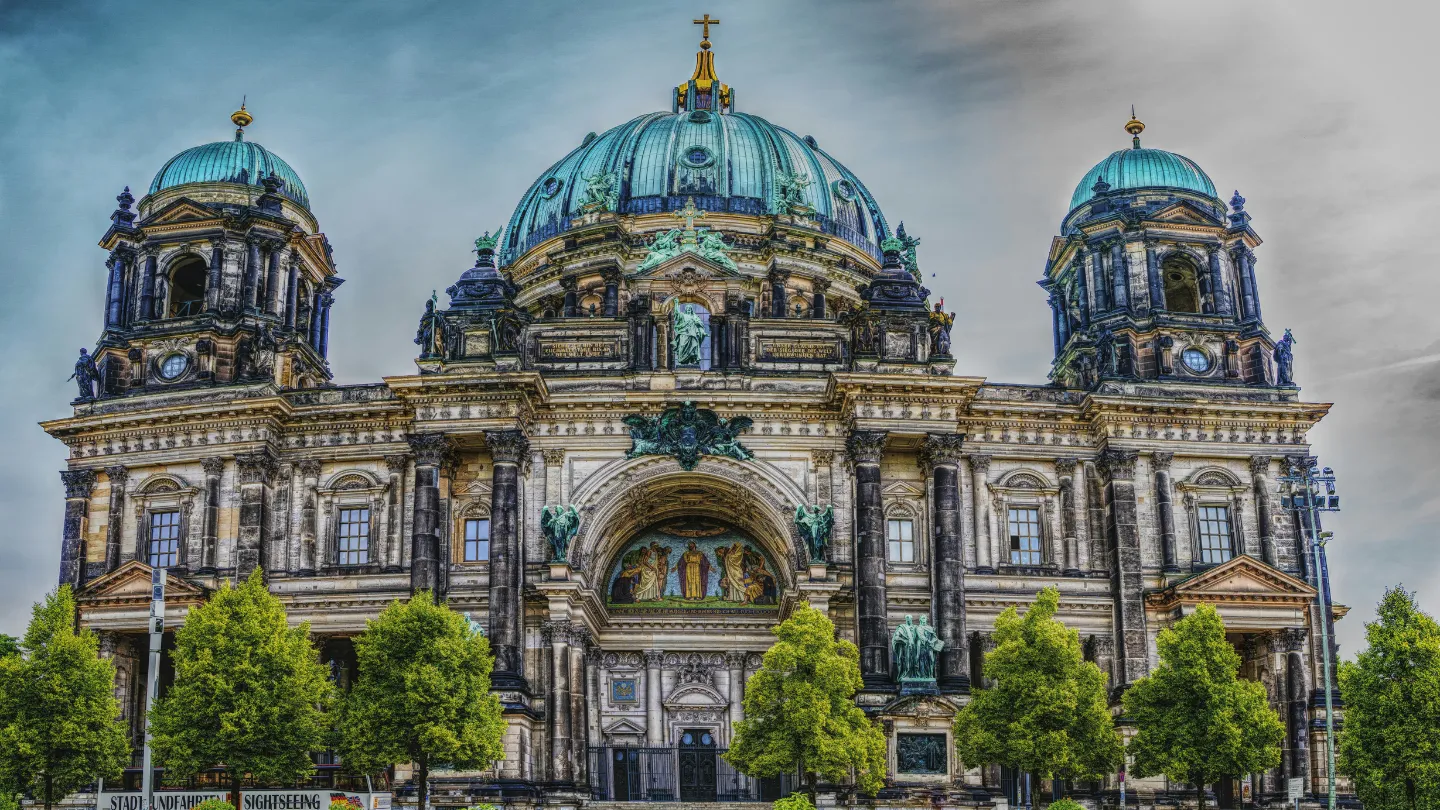
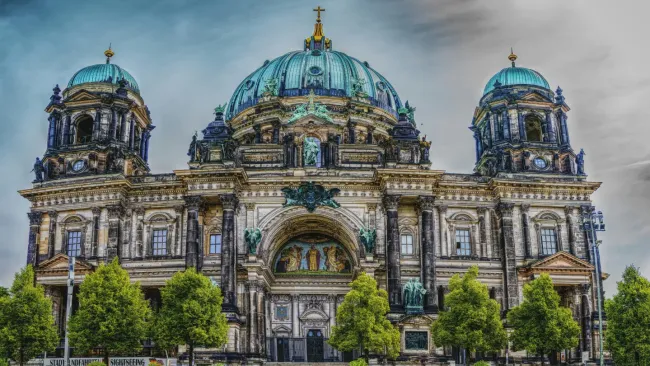
Museum Island hosts five world-class museums, including Pergamon and the Neues Museum. Each offers a distinct perspective on art and civilisation. The Berlin Cathedral, with its dome, provides a striking viewpoint. Climbing to the top lets you see the city’s rooftops and the Spree winding through central Berlin. These are must-visit places to visit in Berlin for culture lovers.
5. Checkpoint Charlie and Cold War Landmarks
Checkpoint Charlie remains a symbol of Berlin’s Cold War division. The surrounding streets house museums and installations explaining the city’s divided past. Nearby, former border streets show remnants of the old Wall, giving a sense of scale and impact. Many travellers include this in their itinerary of Berlin attractions.
6. Kreuzberg and Multicultural Life
Kreuzberg is alive with street art, cafés, and international flavours. Walking along its streets, you encounter Turkish bakeries and kebab shops reminiscent of Istanbul restaurants. Local markets and music venues offer insight into the neighbourhood’s vibrant community, making it one of the hidden Berlin things to visit beyond standard sightseeing.
7. Prenzlauer Berg and Tree-Lined Streets
Prenzlauer Berg offers calm mornings along cobblestone streets and leafy avenues. Independent cafés, vintage shops, and small galleries invite slow exploration. Walking uphill reveals views across the surrounding districts and quiet residential charm.
8. Tiergarten and Victory Column
Tiergarten is Berlin’s largest park, a green refuge in the city centre. Paths wind past ponds, monuments, and cafés. The Victory Column stands at the park’s centre; climbing it provides sweeping views of Berlin’s skyline and stretches towards the Brandenburg Gate. Many visitors consider this part of the top attractions in Berlin Germany.
9. Alexanderplatz and TV Tower
Alexanderplatz is a hub of activity, blending shopping, transit, and historic architecture. The TV Tower offers a high viewpoint for the city. Visiting at sunset provides a panoramic glow across the rooftops and streets below, making it one of the most photographed Berlin visiting places.
10. Charlottenburg Palace and Gardens
Charlottenburg Palace showcases baroque and rococo architecture. Walking through its formal gardens, you find fountains, sculptures, and shaded paths. The palace itself provides a glimpse into Prussian royal life, while the surrounding streets are dotted with cafés and local shops.
11. Gendarmenmarkt and Historic Squares
Gendarmenmarkt is one of Berlin’s most elegant squares, home to the French and German Cathedrals. The layout of the square and surrounding cafés invites slow strolling and photography. Seasonal markets here create a festive atmosphere, considered one of the Berlin attractions that blends beauty with culture.
12. Potsdamer Platz and Modern Architecture
Potsdamer Platz represents Berlin’s post-reunification transformation. Skyscrapers, shopping centres, and cultural venues stand alongside remnants of historic streets. Walking through the square, you notice a blend of glass, steel, and old foundations. It’s a modern hub among the main attractions in Berlin.
13. Day Trips: Potsdam, Sachsenhausen, and Wannsee
Potsdam offers palaces and gardens, including Sanssouci. Sachsenhausen Concentration Camp provides a solemn but important historical perspective. Wannsee features lakeside walks and peaceful beaches, ideal for relaxing away from the urban centre. These destinations complement your list of places in Berlin Germany to visit.
Things to Do in Berlin
- Walk or cycle along the Berlin Wall Trail
- Visit the East Side Gallery at sunset
- Explore Museum Island
- Stroll through Tiergarten Park
- Take a boat ride on the Spree River
- Visit Tempelhofer Feld, a former airport turned public park
- Enjoy a food tour around Kreuzberg or Neukölln
Where to Stay in Berlin
Luxury travellers will find some of the city’s finest options in central locations. Hotel Adlon Kempinski Berlin offers elegance and historic charm near Brandenburg Gate, while Waldorf Astoria Berlin combines modern comfort with classic sophistication. Rocco Forte Hotel de Rome provides spacious rooms and a central location, ideal for exploring the city on foot.
For mid-range stays, Motel One Berlin-Alexanderplatz offers modern design and convenience, while The Circus Hotel provides a lively, boutique atmosphere. Hotel Indigo Berlin East Side Gallery gives easy access to the city’s creative districts and iconic Wall murals, making it a practical and stylish choice.
Budget travellers have a wide range of options. Generator Berlin Mitte and a&o Hostels provide affordable, clean accommodation in central locations, while Sunflower Hostel Friedrichshain offers a relaxed atmosphere with good transport links, perfect for visiting Berlin Germany tourist places without overspending.
Practical Tips for Visiting Berlin
- Public transport is reliable; the U-Bahn, S-Bahn and trams cover the entire city.
- Berlin is mostly cash-friendly, but cards are accepted in supermarkets and restaurants.
- Summer is busy; spring and autumn offer comfortable weather and fewer crowds.
- Carry reusable bottles as fountains and parks are common.
- Book popular attractions like the Reichstag Dome in advance.
Frequently Asked Questions (FAQs)
Q: What is the best time to visit Berlin?
Spring and autumn offer mild weather and fewer crowds.Q: Is Berlin safe for solo travellers?
Yes. Most areas are safe, especially central districts.Q: Are there budget-friendly places to stay in Berlin?
Yes. Hostels and budget hotels are available in Friedrichshain, Neukölln and Mitte.Q: Do I need public transport passes?
A day or multi-day pass is useful if you plan to move around frequently.Q: Which Berlin neighbourhood is best for first-time visitors?
Mitte places you close to major landmarks and museums.
Spring and autumn offer mild weather and fewer crowds.
Yes. Most areas are safe, especially central districts.
Yes. Hostels and budget hotels are available in Friedrichshain, Neukölln and Mitte.
A day or multi-day pass is useful if you plan to move around frequently.
Mitte places you close to major landmarks and museums.
Q: Does Berlin offer good vegetarian or halal food?
Yes. Many cafés serve vegetarian menus, and areas like Kreuzberg and Neukölln have halal options.Q: How many days do you need in Berlin?
Three to four days cover most highlights, though a week allows deeper neighbourhood exploration.
Yes. Many cafés serve vegetarian menus, and areas like Kreuzberg and Neukölln have halal options.
Three to four days cover most highlights, though a week allows deeper neighbourhood exploration.
Conclusion
Berlin is a city that rewards curiosity. Its layers of history, diverse neighbourhoods, and open culture make every walk feel different from the last. Whether you're exploring museums, discovering cafés, or following the traces of the Berlin Wall, the city offers a thoughtful and memorable experience.
From the main attractions in Berlin to hidden corners and cultural hubs, this guide ensures you cover Berlin visiting places, places to visit in Berlin, and all the essential Berlin Germany tourist places.
For more travel insights and inspiring destinations, explore other guides on The Peace Destinations website.
Berlin is a city that rewards curiosity. Its layers of history, diverse neighbourhoods, and open culture make every walk feel different from the last. Whether you're exploring museums, discovering cafés, or following the traces of the Berlin Wall, the city offers a thoughtful and memorable experience.
From the main attractions in Berlin to hidden corners and cultural hubs, this guide ensures you cover Berlin visiting places, places to visit in Berlin, and all the essential Berlin Germany tourist places.
For more travel insights and inspiring destinations, explore other guides on The Peace Destinations website.
Want to explore?
Explore the world with our highly expert guides and affordable tour packages. Book your next trip with us today or Get a quote for your next trip!


 Trustpilot