
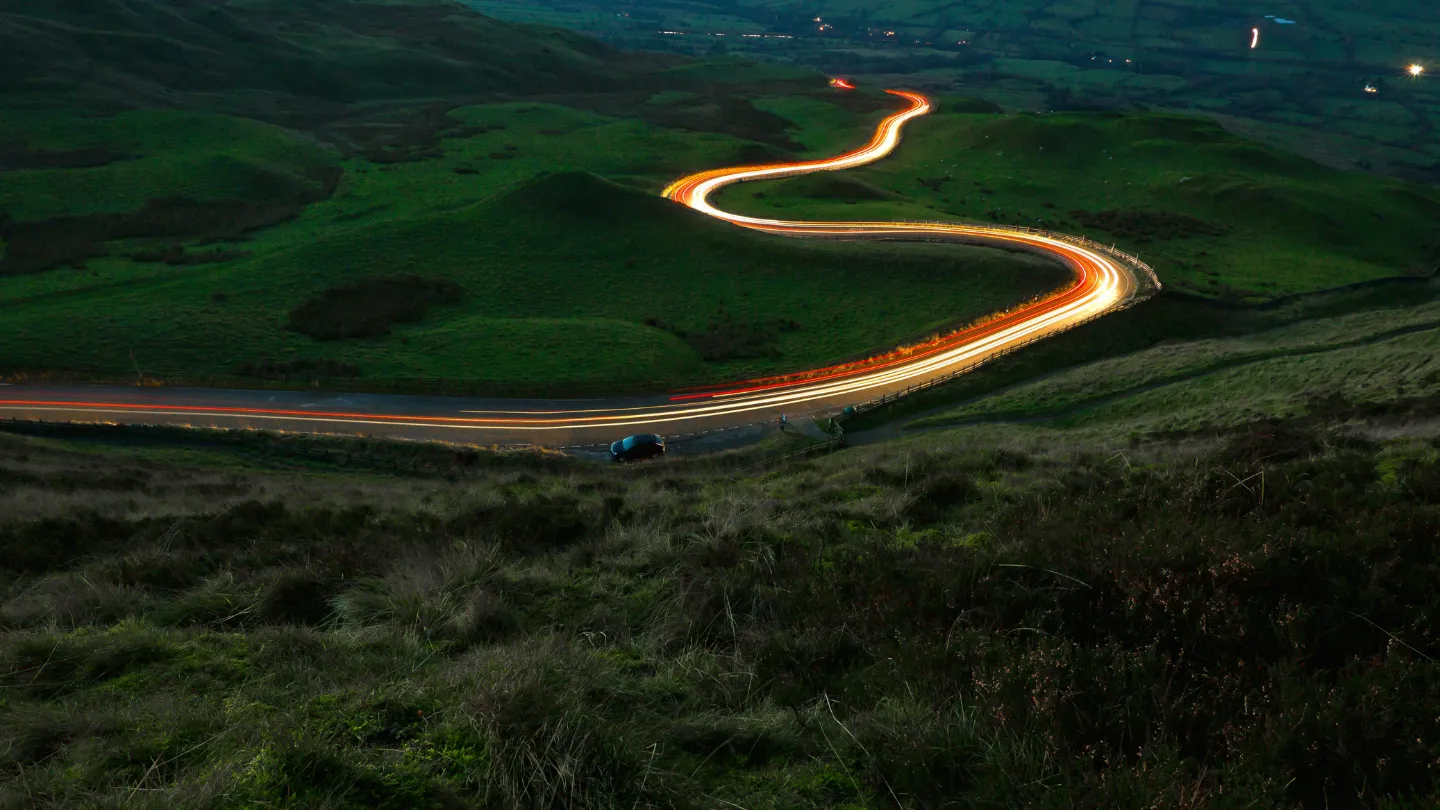
The Lake District National Park is a place of breathtaking beauty, celebrated for its unique combination of natural scenery, wildlife, and rich cultural heritage. With cool lakes, winding rivers, ancient woodlands, and rolling fells, it offers something for everyone — from hikers and mountaineers to history enthusiasts and families seeking tranquillity. Every valley, tarn, and settlement tells a story of centuries of human and natural interaction, making it one of the most iconic regions in the UK.
How to Get to the Lake District
The Lake District is easily accessible by road and rail. From London, trains run regularly to Oxenholme and Windermere, offering scenic routes through northern England. Driving via the M6 motorway provides flexibility to explore multiple valleys, lakes, and fells. For visitors flying in, Manchester and Liverpool airports are the nearest major airports, each approximately 1.5–2 hours away by car.
Exploring the Lake District
Stunning Scenery and Lakes
The Lake District lakes, tarns, and rivers are central to its allure. Windermere, Ullswater, and Derwentwater provide calm waters reflecting surrounding fells, while smaller tarns such as Blea Tarn offer secluded spots for walking and photography. The freshwater habitats support species like vendace, charr, crayfish, and schelly fish, making the area a haven for wildlife enthusiasts.
Ancient Woodlands and Wildlife
Ancient woodlands Lake District, with semi-natural woodlands rich in Atlantic mosses, liverworts, ferns, and lichen, create a living tapestry of colour and texture. These woods, combined with mires, limestone pavement, upland heath, and lakeshore wetlands, provide homes for birds, mammals, and rare aquatic life. Conservation efforts ensure these ecosystems remain vibrant and accessible for visitors.
Landscapes and Fells
The Lake District landscape combines dramatic natural features with human influence. Rolling fells, steep screes, and open valleys create varied terrain for recreational walking Lake District and British mountaineering enthusiasts. The open fells offer a sense of freedom, and extensive public rights of way Lake District allow visitors to explore safely, echoing the paths chronicled in Wordsworth’s Guide to the Lakes and Wainwright guides.
Cultural Heritage and Settlements
Historic settlements and traditional architecture reflect centuries of land use. Local slate buildings, lime-washed cottages, sandstone, granite, and limestone structures, alongside dry stone walls, hedgerows Lake District, packhorse bridges, and peat houses, provide a visual link to the past. Cultural traditions like hound trailing, fell running, Cumberland and Westmorland wrestling, and the influence of writers and artists including Turner, Heaton Cooper, Kurt Schwitters, Wordsworth, Coleridge, De Quincey, Arthur Ransome, and Beatrix Potter, enrich the visitor experience.
Outdoor Activities
The Lake District has the highest concentration of outdoor activity centres in the UK. Walking, climbing, boating, and cycling are popular, and the region supports both beginners and experienced adventurers. Families can enjoy activities for children Lake District, including lakeside play, the Lake District Zoo, Sea World, and accessible trails suitable for prams and wheelchairs.
Geology and Archaeology
The complex geology Lake District tells a story of colliding continents, ice sheets, and tropical seas over 500 million years. Prehistoric and medieval field systems, stone circles Lake District, Roman roads, forts, and industrial sites like charcoal blast furnaces reflect human history intertwined with the natural environment.
Things to Do in Tórshavn
- Hike Scafell Pike, England’s highest peak.
- Explore Windermere, Ullswater, and Derwentwater by boat.
- Walk historic trails from Wordsworth’s Guide to the Lakes.
- Visit Lake District Zoo and Sea World for family-friendly experiences.
- Discover stone circles, Roman roads, and medieval field systems.
- Enjoy fell running, hound trailing, and traditional sports.
- Visit homes and museums linked to Turner, Beatrix Potter, and Wainwright.
Where to Stay
Visitors can choose from luxury country estates, cosy B&Bs, and self-catering cottages. Windermere, Keswick, and Ambleside offer central locations, while Ullswater and Coniston provide more tranquil, lakeside options. Family-friendly hotels and historic inns ensure comfort while staying close to the natural and cultural attractions.
Practical Tips
- Clothing: Layers and waterproofs are essential due to frequent rain.
- Walking: Wear sturdy footwear for uneven fells and rocky trails.
- Accessibility: Many trails and settlements are wheelchair-accessible; consult the Lake District accessibility guide for details.
- Wildlife: Respect local fauna and avoid disturbing sensitive habitats.
- Local Etiquette: Preserve dry stone walls, follow marked paths, and support local farmers and businesses.
Frequently Asked Questions (FAQs)
Q: When is the best time to visit the Lake District?
Late spring and early autumn offer mild weather, colourful landscapes, and fewer crowds.Q: Are the Lake District fells suitable for beginners?
Yes, many trails are accessible, but some peaks require experience and proper equipment.Q: Can I explore the lakes by boat?
Yes, ferries, rowing boats, and private hire options are widely available.Q: Are there family-friendly activities in the Lake District?
Absolutely — from the Lake District Zoo and Sea World to gentle walking paths and lakeside play areas.Q: Is the Lake District accessible for wheelchairs and prams?
Many trails and attractions are accessible, but some fells and historic sites may be challenging.
Late spring and early autumn offer mild weather, colourful landscapes, and fewer crowds.
Yes, many trails are accessible, but some peaks require experience and proper equipment.
Yes, ferries, rowing boats, and private hire options are widely available.
Absolutely — from the Lake District Zoo and Sea World to gentle walking paths and lakeside play areas.
Many trails and attractions are accessible, but some fells and historic sites may be challenging.
Q: What wildlife can I see in the Lake District?
You may spot vendace, charr, crayfish, schelly fish, birds, and small mammals in woodlands and lakes.Q: Are dogs allowed in the Lake District?
Yes, dogs are welcome on most trails, but keep them on a lead near livestock and sensitive habitats.
You may spot vendace, charr, crayfish, schelly fish, birds, and small mammals in woodlands and lakes.
Yes, dogs are welcome on most trails, but keep them on a lead near livestock and sensitive habitats.
Conclusion
The Lake District National Park is a remarkable destination where natural beauty, wildlife, and cultural heritage converge. Whether exploring tranquil lakes, climbing rugged fells, or immersing in local traditions, visitors leave with unforgettable memories. You can find more hidden gems and detailed travel insights like this on The Peace Destinations website.
The Lake District National Park is a remarkable destination where natural beauty, wildlife, and cultural heritage converge. Whether exploring tranquil lakes, climbing rugged fells, or immersing in local traditions, visitors leave with unforgettable memories. You can find more hidden gems and detailed travel insights like this on The Peace Destinations website.
Want to explore?
Explore the world with our highly expert guides and affordable tour packages. Book your next trip with us today or Get a quote for your next trip!







 Trustpilot