

The Peace Destinations
Jan 15 • 6 min read
Berlin is a city that wears its history openly and turns it into something living and creative. It is not polished in a postcard way, but it is honest, layered, and endlessly interesting. From grand Prussian avenues to quiet courtyards and powerful memorials, the city rewards anyone who takes time to walk and look. This Berlin travel guide highlights some of the main attractions in Berlin and the best ways to experience the city.
This guide is for travellers who want more than a rushed checklist. Whether you are planning a Berlin city break, a Berlin weekend trip, or a longer Berlin vacation, you will quickly discover that Berlin offers a wide range of Berlin attractions that feel meaningful rather than superficial.
Here, historic Berlin landmarks, world-class Berlin museums, and everyday neighbourhood life all sit side by side. This balance is what makes Berlin one of the most fascinating destinations in Germany. From cultural institutions to open-air memorials, the city is full of must see things in Berlin, memorable Berlin things to visit, and important places in Berlin Germany to visit that reflect both its past and its present.
For travellers researching places in Berlin Germany, it quickly becomes clear that the city is not defined by a single landmark but by a collection of powerful sites spread across distinct neighbourhoods. From the historic core around Brandenburg Gate and Museum Island to the creative districts of Kreuzberg and Friedrichshain, each area reveals a different layer of the capital. Exploring these places slowly allows visitors to understand how Berlin’s imperial past, Cold War history, and modern cultural identity exist side by side.
When considering the top things to do in Berlin Germany, walking remains the most rewarding approach. Many of the top things to see and do in Berlin are connected by wide boulevards, riverside paths, and public squares that encourage exploration on foot. Whether standing beneath the glass dome of the Reichstag, reflecting at the Holocaust Memorial, or watching daily life unfold around neighbourhood cafés, the experience feels immersive rather than staged. Berlin’s true character emerges between the landmarks as much as at them.
Best Time to Visit Berlin
The best time to visit Berlin is from May to September. Late spring and summer bring long days, outdoor cafés, and a lively atmosphere along the River Spree and in city parks. This is also the ideal season for Berlin walking tours and photography, as many of the main attractions in Berlin are best experienced on foot.
Autumn is quieter and still pleasant, with fewer crowds at popular Berlin visiting places. Winter is cold, but it has its own charm, especially around Christmas markets and museums, making it suitable for travellers who prefer a slower Berlin sightseeing experience.
Read more: My Mediterranean Escape Cruise 2026
Exploring the Best Things to Do in Berlin
Brandenburg Gate
The Brandenburg Gate is the most recognisable symbol of the city and one of the top attractions in Berlin Germany. Once a symbol of division during the Cold War, it now represents unity and renewal. Standing here, especially early in the morning or late in the evening, gives you a strong sense of Berlin’s story and its place in modern Europe. It is one of the most important Berlin visiting places for first-time visitors.
Reichstag Building
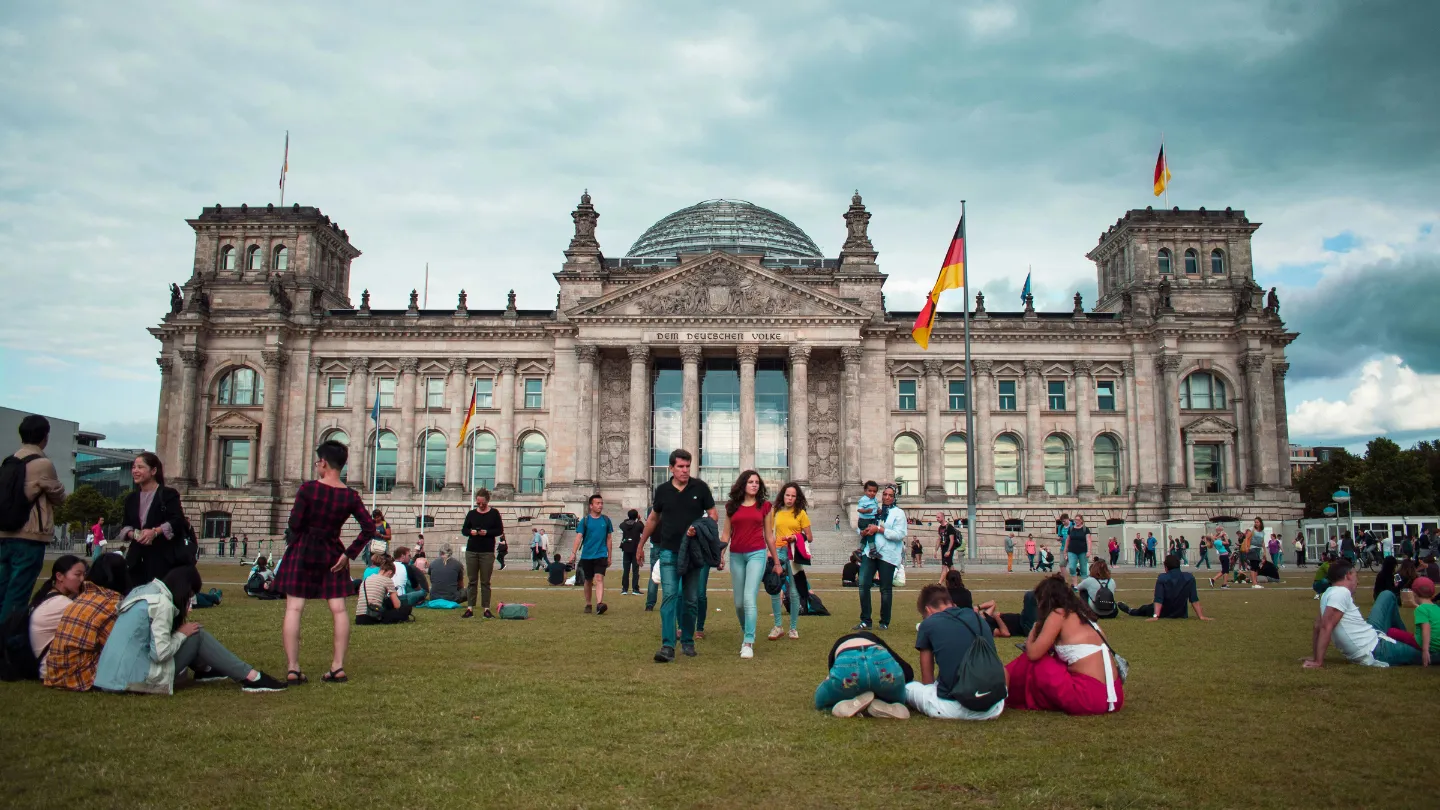
Just a short walk away is the Reichstag Building, home of the German parliament. Its modern glass dome is open to visitors and offers excellent views across the skyline. Booking in advance is essential, but the experience is worth it. From the top, you can see how historic and modern areas come together, making this one of the most rewarding Berlin attractions.
Museum Island
Museum Island is a UNESCO World Heritage site and the cultural heart of the city. Set on the River Spree, it brings together several of the most significant museums in Germany. It is considered one of the key main attractions in Berlin for travellers interested in art, archaeology, and history.
The Pergamon Museum is known for its monumental ancient structures, while the Neues Museum houses the famous bust of Nefertiti. Nearby, the Berliner Dom, also known as Berlin Cathedral, adds to the grandeur of this area, making it one of the most impressive places in Berlin Germany to visit.
Alexanderplatz and the Berlin TV Tower
Alexanderplatz is one of the busiest and most recognisable squares in the city, representing Berlin’s modern energy. Rising above it is the Berlin TV Tower, or Fernsehturm. Going up the tower offers one of the best panoramic views of the city. On a clear day, the view helps you understand the sheer scale of Berlin, making it one of the most popular Berlin attractions.
The East Side Gallery and the Berlin Wall
The East Side Gallery is the longest remaining open-air section of the Berlin Wall. Today, it is covered with murals created by artists from around the world. Walking along this stretch is both emotional and educational. It is one of the most important Berlin landmarks and one of the must see things in Berlin for understanding the city’s recent history.
Checkpoint Charlie
Checkpoint Charlie was once the best-known crossing point between East and West Berlin. Today, it remains a symbolic site with information boards that explain its role during the Cold War. It is a short but meaningful stop and fits well into any itinerary focused on Berlin things to visit related to history.
Holocaust Memorial Berlin
Officially known as the Memorial to the Murdered Jews of Europe, this site consists of hundreds of concrete slabs arranged in a grid near the Brandenburg Gate. Walking through it is a quiet and reflective experience. It is one of the most important Berlin visiting places and should be approached with respect.
Potsdamer Platz
Potsdamer Platz shows how Berlin has reinvented itself. Once a no-man’s-land divided by the Wall, it is now a modern area of offices, cinemas, and shopping centres. While it may not be the most scenic part of the city, it is still one of the notable Berlin attractions for understanding Berlin’s post-war transformation.
Gendarmenmarkt
Gendarmenmarkt is often described as the most elegant square in Berlin. Framed by the French Cathedral, the German Cathedral, and the Konzerthaus, it offers a calmer atmosphere compared to busier Berlin sights. It is one of the more refined places in Berlin Germany to visit.
Topography of Terror
Built on the former site of the Nazi secret police headquarters, the Topography of Terror is a free exhibition documenting the crimes of the Nazi regime. It is detailed, honest, and sometimes difficult, but it is one of the most important Berlin attractions for those who want a deeper understanding of history.
Berlin Food and Local Flavours
Berlin food is simple, filling, and full of character. Curry wurst is the city’s most famous street snack, but Berlin’s food scene also reflects its multicultural population. From kebabs to baked goods, food plays an important role in experiencing everyday Berlin visiting places beyond the tourist centres.
Where to Stay in Berlin
Mitte is the best area for first-time visitors, as it is close to many of the main attractions in Berlin and works well for walking-based sightseeing.
Kreuzberg and Friedrichshain are ideal for travellers who want a more local and creative atmosphere, while Prenzlauer Berg offers a quieter environment with cafés and green spaces.
Practical Tips for Visiting Barcelona
- Buy a day or multi-day transport pass. Berlin is large, and public transport saves a lot of time.
- Wear comfortable shoes. Many of the best experiences involve walking long distances.
- Book popular attractions like the Reichstag dome in advance.
- Take time to read information panels at historical sites. Berlin’s story is complex and worth understanding.
- Carry some cash, as smaller cafés and kiosks do not always accept cards.
FAQs About Visiting Barcelona
Q1. How many days do I need in Berlin?
Three to four days is a good start, but a week allows for a deeper, more relaxed visit.
Q2. Is Berlin good for a weekend trip?
Yes, a Berlin weekend trip is perfect for seeing the main highlights and getting a feel for the city.
Q3. Is Berlin expensive to visit?
Compared to many European capitals, Berlin is still relatively affordable, especially for food and transport.
Q4. What is the best area to stay in Berlin?
Mitte is the most convenient for sightseeing, especially for first-time visitors.
Q5. Can I see the Berlin Wall today?
Yes, the best-preserved section is at the East Side Gallery, and there are also remains in other parts of the city.
Q6. What food should I try in Berlin?
Do not miss curry wurst, kebabs, and local bakery items, as well as classic German dishes in traditional restaurants.
Conclusion
Berlin is not a city you simply look at; it is a city you experience and reflect on. Its landmarks, museums, and streets tell stories that are sometimes heavy, sometimes hopeful, but always meaningful. Whether you are planning a short city break or a longer stay, Berlin rewards curiosity and patience. Exploring the city allows you to discover all the Berlin visiting places, Berlin attractions, and must see things in Berlin that stay with you long after you return home.
If you are looking for more inspiring city guides and thoughtful travel ideas, you can find them on The Peace Destinations, where we share top sights in Berlin, Berlin attractions, and all the must see things in Berlin that stay with you long after you return home.



 Trustpilot