

The Peace Destinations
Mar 12 • 6 min read
Tanzania has long been admired by travellers who seek wild landscapes, rich culture and unforgettable wildlife encounters. In recent years, however, the country has begun attracting even greater global attention. As 2026 approaches, more travellers are choosing Tanzania for its balance of adventure, nature and cultural depth.
Unlike some crowded destinations, Tanzania tourism has developed steadily and thoughtfully. Visitors can still experience vast open landscapes, remote wildlife reserves and authentic local traditions without the feeling of mass tourism. From the sweeping plains of the Serengeti to the turquoise waters surrounding Zanzibar Island, the country offers a remarkable range of experiences within one destination.
For anyone exploring East Africa travel, Tanzania now stands out as one of the most rewarding places to visit. This Tanzania travel guide explains why the country is becoming a top tourist destination in 2026 and what makes it so appealing to modern travellers.
Best Time to Experience Tanzania
Timing plays a major role in planning Tanzania holidays, particularly for wildlife viewing and outdoor adventures. The dry season from June to October is often considered the best time to visit Tanzania national parks. During these months, animals gather around water sources, making wildlife viewing easier during a Tanzania wildlife safari.
This period also coincides with some of the most dramatic moments of the Great Migration Africa, when large herds of wildebeest and zebras move across the Serengeti plains. For travellers following a Serengeti Great Migration guide, the dry season provides some of the most memorable sightings.
The months from January to March are also excellent for a Serengeti safari, especially for witnessing the calving season when thousands of newborn animals arrive on the plains. Meanwhile, Zanzibar Island and other Tanzania beaches and islands are warm and inviting throughout much of the year, offering an ideal coastal escape after a safari.
Extraordinary Wildlife Experiences
One of the main reasons Tanzania is gaining popularity is its exceptional wildlife. The country is home to some of the best safari parks in Tanzania and offers one of the most complete wildlife viewing experiences in Africa.
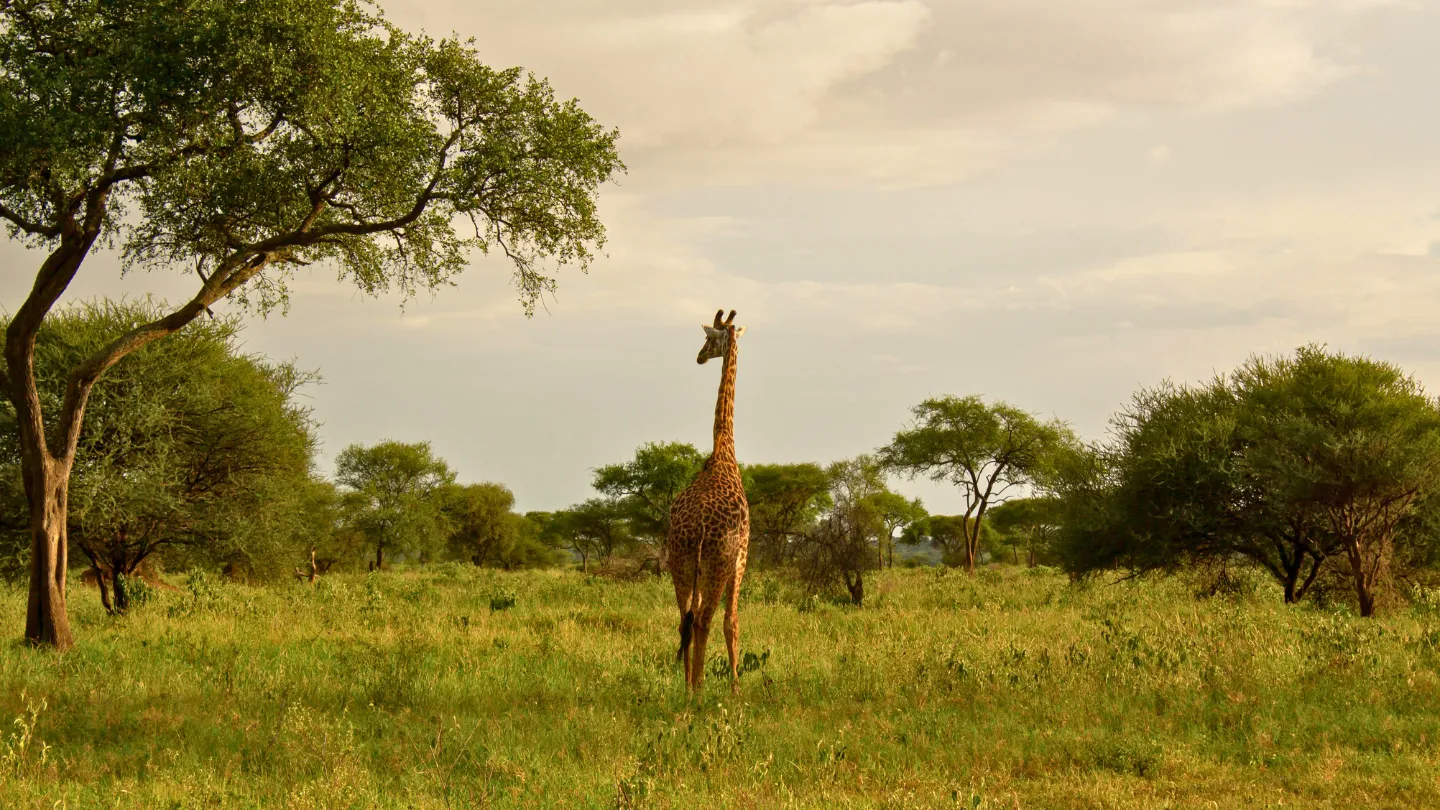
Serengeti National Park remains the centrepiece of any Tanzania safari experience. Its endless grasslands host lions, elephants, giraffes and cheetahs, alongside the famous herds involved in the Great Migration Africa. A wildlife safari in Serengeti National Park often feels like stepping into a nature documentary.
Travellers searching for a Big Five safari Tanzania experience will also find excellent opportunities in the Ngorongoro Crater. This vast volcanic caldera contains one of the highest concentrations of wildlife in Africa, including rhinos, lions and large elephant herds.
Beyond these famous areas, Tanzania wildlife reserves offer quieter yet equally rewarding experiences. Selous Game Reserve, one of the largest protected areas on the continent, is known for boat safaris and walking adventures. Ruaha National Park, another highlight of southern Tanzania, provides remote landscapes where predators and large elephant populations roam freely.
The Drama of the Great Migration
Few wildlife spectacles compare with the Great Migration Africa. Every year, millions of wildebeest, zebras and gazelles move across the Serengeti ecosystem in search of fresh grazing. It is widely considered one of the most extraordinary natural events on the planet.
For many visitors, witnessing this movement of animals is the main reason why visit Tanzania for safari. Herds can stretch across the horizon, while predators follow closely behind, creating dramatic encounters in the wild.
The best time to see the Great Migration in Tanzania depends on the location of the herds. While the famous river crossings attract attention, the migration is actually a year-round cycle across the Serengeti plains. With an experienced guide, travellers can observe different stages of the migration at almost any time of year.
Climbing Mount Kilimanjaro
Another reason Tanzania tourism continues to grow is the challenge of climbing Mount Kilimanjaro. Rising above the plains of northern Tanzania, it is the highest mountain in Africa and one of the world’s most famous trekking destinations.
For many travellers, reaching the summit is a life-changing achievement. The climb passes through several distinct environments, from lush forests to alpine desert landscapes before reaching the icy summit.
Following practical climbing Mount Kilimanjaro tips is essential for success. Taking a longer route helps the body adapt to altitude and greatly improves the chances of reaching the summit. The journey is physically demanding, yet it remains accessible to determined travellers without technical climbing experience.
Zanzibar and Tanzania’s Tropical Islands
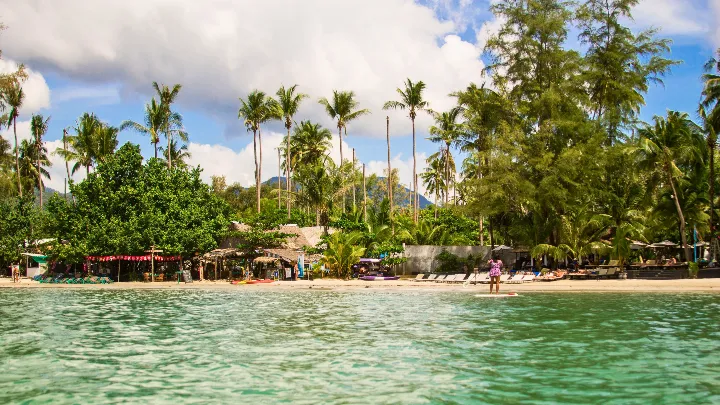
While wildlife often takes centre stage, Tanzania beaches and islands add another dimension to the country’s appeal. After a safari or mountain trek, many travellers continue their Tanzania holidays on Zanzibar Island.
Zanzibar combines beautiful beaches with a fascinating cultural history. In Stone Town, narrow alleyways reveal centuries of Swahili, Arab and Indian influence. Markets, mosques and historic buildings create a lively atmosphere that contrasts with the calm beaches nearby.
Beyond Zanzibar, several Tanzania island destinations offer quieter alternatives. Mafia Island is famous for its coral reefs and seasonal whale shark sightings. Pemba Island is known for its lush hills and traditional coastal villages.
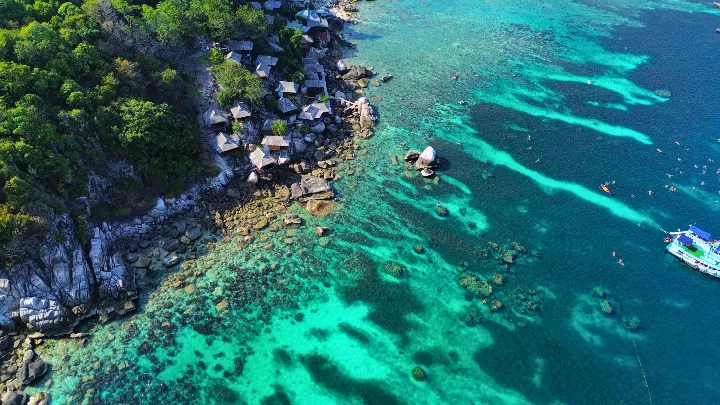
Smaller islands such as Chole Island, Mnemba Island and Chumbe Island provide peaceful escapes with remarkable marine life. Many of these areas are also considered some of the best islands near Zanzibar for diving, with colourful coral reefs and thriving underwater ecosystems.
Adventure Beyond the Jeep
While game drives remain popular, Tanzania adventure travel now includes a wide range of activities that bring visitors closer to nature.
A Tanzania cycling safari experience allows travellers to explore landscapes at a slower pace while observing wildlife from a unique perspective. Walking safaris and guided bush treks are also growing in popularity, particularly in remote regions.
A Tanzania camping safari experience offers another memorable way to connect with the wilderness. Sleeping beneath the stars in carefully managed camps allows visitors to hear the sounds of the savannah throughout the night.
These immersive experiences are a key reason why Tanzania tourism is attracting travellers who want something more personal than traditional tours.
Cultural Encounters with Local Communities
Culture plays a significant role in the country’s appeal. Tanzania culture and traditions are deeply connected to the land and wildlife that surround local communities.
Travellers often enjoy Tanzania cultural experiences with Maasai communities, where guides share their knowledge of the landscape, wildlife and traditional lifestyles. These encounters can include village visits, storytelling and guided walks across grazing lands.
Along the Swahili coast, cultural influences from Africa, Arabia and India have blended over centuries. This mixture is particularly visible in Zanzibar’s architecture, cuisine and music, giving travellers a rich cultural dimension alongside natural attractions.
Hidden Corners of Southern Tanzania
While northern parks receive most of the attention, hidden places in southern Tanzania offer quieter adventures. Selous Game Reserve and Ruaha National Park remain far less crowded than the famous northern parks.
Here, visitors may travel for hours without encountering other vehicles, allowing wildlife encounters to feel more intimate and natural. The landscapes are vast and varied, ranging from rivers and wetlands to baobab-filled savannahs.
For travellers seeking solitude and wilderness, these regions represent some of the most authentic safari experiences available anywhere in Africa.
Where to Stay
Tanzania offers a wide range of accommodation options to suit different travel styles.
Luxury lodges and tented camps inside Tanzania national parks provide comfort while keeping guests close to wildlife. These properties often include guided game drives, walking safaris and excellent local cuisine.
Mid-range safari camps offer a balance of comfort and affordability, making them ideal for travellers planning longer Tanzania holidays. Budget-friendly guesthouses are also widely available in towns and coastal areas, particularly around Zanzibar Island.
For travellers seeking unique experiences, eco-lodges and small island resorts on places such as Mnemba Island or Chumbe Island provide peaceful retreats surrounded by nature.
Learn More: Top 10 Places to visit
Practical Tips for Travellers
- Planning ahead makes a significant difference when organising Tanzania travel guide itineraries.
- Always book safaris through experienced operators familiar with Tanzania wildlife reserves and park regulations. Respect wildlife by keeping a safe distance and following guide instructions during game drives.
- Pack light but practical clothing suitable for warm days and cooler mornings on safari. Binoculars are extremely helpful for spotting wildlife, especially during a Serengeti safari.
- If climbing Mount Kilimanjaro, choose a route that allows enough time for acclimatisation. Travellers planning island visits should also allow a few relaxing days to enjoy the beaches and coastal culture.
FAQs
Q1. Why visit Tanzania for safari?
Tanzania offers some of the best wildlife experiences in Africa, including the Great Migration Africa, Big Five safari Tanzania opportunities and vast national parks such as Serengeti National Park.
Q2. What are the best places to visit in Tanzania?
Top destinations include Serengeti National Park, Ngorongoro Crater, Mount Kilimanjaro and Zanzibar Island, along with quieter parks such as Ruaha National Park and Selous Game Reserve.
Q3. When is the best time to see the Great Migration in Tanzania?
The migration occurs year round in the Serengeti ecosystem, but the dry season from June to October is particularly popular for viewing large herds.
Q4. Is Zanzibar worth visiting after a safari?
Yes. Zanzibar Island offers beautiful beaches, historic Stone Town and a relaxing atmosphere that perfectly complements a wildlife safari.
Q5. Are Tanzania safaris suitable for first-time visitors?
Yes. Tanzania travel guide itineraries are well organised and suitable for first-time safari travellers, with many experienced guides and safari operators.
Q6. Are there good diving spots near Zanzibar?
Yes. Mafia Island, Pemba Island and Mnemba Island are well known for coral reefs and are among the best islands near Zanzibar for diving.
Conclusion
Tanzania offers a rare combination of natural beauty, wildlife and cultural richness. From the dramatic plains of the Serengeti to the historic streets of Stone Town and the turquoise waters surrounding Zanzibar Island, the country delivers experiences that stay with travellers long after the journey ends.
As more travellers search for meaningful and immersive destinations, Tanzania tourism continues to grow. Its balance of adventure, conservation and cultural authenticity explains why it is becoming one of the most exciting destinations for 2026.
If you are planning your next journey through East Africa travel, Tanzania deserves serious consideration. You can discover more inspiring destinations and travel ideas like this on The Peace Destinations website.
 Trustpilot