

The Peace Destinations
Feb 07 • 6 min read
Is Bali worth visiting in 2026, or has the island finally crossed the line from beloved destination to overdone hotspot? It is a question many travellers are asking as Bali tourism continues to grow and social media images shape expectations before anyone even arrives.
For some, Bali feels like everywhere already. Infinity pools, beach clubs, digital nomads tapping on laptops, and sunsets framed perfectly for Instagram. For others, Bali still holds something deeper. A sense of calm, spirituality, and everyday rituals that feel quietly powerful once you slow down and look properly.
So, is Bali still worth visiting in 2026? The short answer is yes, but only if you understand what Bali really is today and how to experience it well. This Bali travel guide for 2026 looks honestly at crowds, culture, cost, safety, and what kind of Bali travel experience you can expect now.
Best Time to Visit Bali in 2026
The best time to visit Bali depends on what you want from the trip. Bali has two main seasons, each shaping the experience differently.
The Bali dry season runs from May to October. These months bring clearer skies, lower humidity, and calmer seas. Beaches feel more inviting, and outdoor activities are easier. It is also the busiest period, especially around July and August, when Bali's mass tourism is most visible.
The Bali wet season runs from November to April. Rain usually comes in short bursts rather than all-day downpours. Bali in April is a sweet spot, with fewer crowds, lush landscapes, and warm evenings. If you are seeking a slower pace or more peaceful places in Bali, the wet season can feel more rewarding.
Bali in 2026: Crowded or Still Authentic?
There is no avoiding the truth that some areas of Bali are extremely busy. Parts of Seminyak, Bali, and central Canggu, Bali, can feel congested, noisy, and overrun during peak hours. Traffic builds quickly, and beach clubs dominate the coastline.
Yet Bali is not a single experience. It is a patchwork of different rhythms. Step away from the main roads, and you find Bali's hidden gems, where daily life still revolves around ceremonies, farming, and quiet routines.
Sidemen Bali remains deeply connected to rural traditions, with rice fields stretching across valleys and little traffic beyond local scooters. Amed Bali and Lovina Bali offer calmer coastlines where fishing boats replace beach clubs and evenings end early. These places shape a more authentic Bali experience and show why many travellers still fall in love with the island.
Spiritual and Cultural Depth
Bali is often described as a spiritual island, and this is not just marketing language. Balinese culture is woven into everyday life rather than reserved for museums or performances.
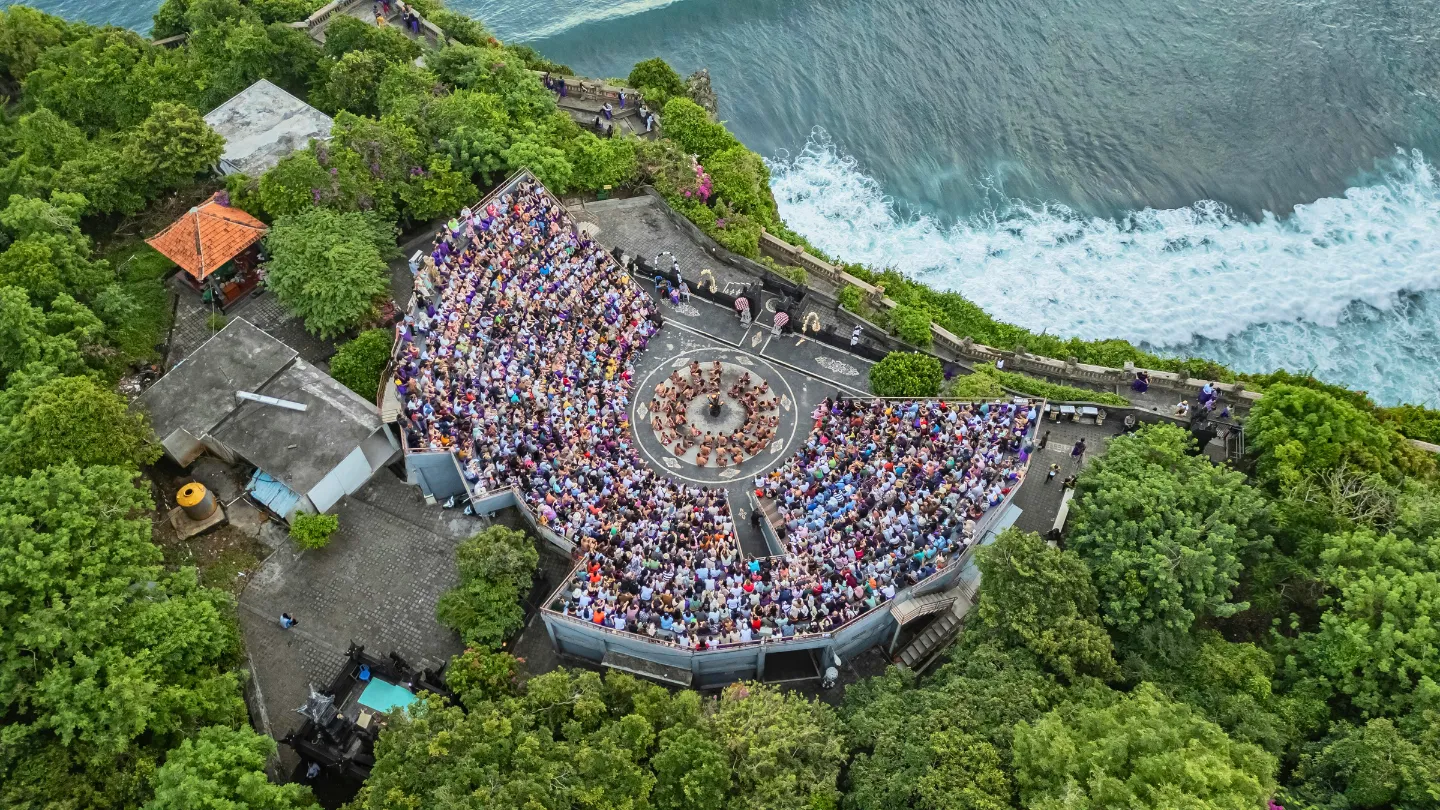
Hindu temples in Bali appear everywhere, from grand landmarks like Tanah Lot Temple, Bali, rising from the sea, to small roadside shrines filled with fresh flowers. Uluwatu Temple, Bali, stands dramatically on cliffs, offering both spiritual significance and sweeping views.
Daily offerings, known as canang sari, line pavements and doorways each morning. Ceremonies pause traffic without apology. Cultural performances like the Kecak fire dance in Bali still carry meaning, even when visitors gather to watch.
This quiet consistency of ritual is one of the strongest reasons Bali is still worth visiting. It grounds the island, even as tourism evolves around it.
Food, Cafés, and Everyday Life
Bali food reflects the island’s mix of tradition and international influence. Local Balinese food like nasi goreng and bebek betutu is best enjoyed at small Bali warung food spots, where flavours are bold and prices remain low.
Bali cafe culture has expanded rapidly, especially in Canggu cafes and Ubud. You can move easily between a simple local meal and a carefully prepared brunch, sometimes on the same street. This blend appeals to Bali digital nomads and long-stay travellers and helps explain why people arrive briefly and stay longer.
Where to Stay in Bali
Where to stay in Bali depends entirely on the experience you want. Ubud Bali suits travellers seeking culture, rice fields, and slower mornings. Canggu Bali appeals to surfers and social travellers, while Uluwatu Bali offers space, views, and a calmer rhythm.
Luxury options remain strong. Kayon Jungle Resort Ubud offers privacy surrounded by rainforest. Alila Seminyak sits right on the beach, while The Edge Uluwatu delivers dramatic cliffside accommodation.
Affordable guesthouses are still common, making Bali budget travel achievable. A good Bali accommodation guide focuses on choosing the right area rather than chasing the lowest price.
Costs, Safety, and Practicalities
Is Bali expensive in 2026? Not really, especially compared to Europe. Bali's cost of living remains relatively low, particularly for food and transport. Affordable travel in Bali is still possible if you avoid constant beach clubs and imported alcohol.
Bali safety remains strong overall. Is Bali safe for tourists? Yes, provided you use common sense. Traffic accidents are the biggest risk, especially with scooters. Bali scooter rental offers freedom, but only for confident riders. Many travellers prefer a Bali private driver for longer distances.
Bali visa requirements are straightforward. Indonesia's visa on arrival allows short stays and extensions, making entry simple for most nationalities.
Connectivity is excellent. Bali internet connectivity supports remote work, and using a Bali eSIM such as Ubigi eSIM Bali makes staying online easy without swapping SIM cards.
Practical Tips for Visiting Bali in 2026
Start your days early to avoid crowds at popular sites. Respect temple dress codes by carrying a sarong. Be patient with traffic delays and ceremonies, as they are part of everyday life.
Balance your itinerary. Mix busy areas with quieter regions like Sidemen or Amed. This approach creates a richer Bali travel experience and prevents burnout.
Frequently Asked Questions
Q1. Is Bali still worth visiting for first-time visitors in 2026?
Yes. Bali for first-time visitors offers a balance of culture, nature, food, and accessibility that few destinations match.
Q2. Has Bali lost its authenticity?
Some areas feel commercial, but an authentic Bali experience still exists, especially away from main tourist hubs.
Q3. Is Bali safe for solo travellers?
Yes. Bali safety is generally high, and locals are welcoming, though road awareness is essential.
Q4. When is the quietest time to visit Bali?
April, May, and parts of the wet season offer fewer crowds and a calmer atmosphere.
Q5. Is Bali suitable for a honeymoon?
Absolutely. Bali honeymoon destination options range from jungle retreats to cliffside villas.
Q6. How long should I spend in Bali?
Ten days allows a balanced Bali itinerary without rushing.
Conclusion
So, is Bali worth visiting in 2026? Yes, without doubt. Bali still offers beauty, spirituality, warmth, and variety that few places can replicate. It is busier, more connected, and more visible than ever, but it has not lost its soul.
Those willing to look beyond the busiest streets will find quiet temples, rural landscapes, and daily rituals that continue unchanged. Bali rewards curiosity and patience, offering depth to travellers who slow down.
You can discover more thoughtful travel insights and destinations like this on The Peace Destinations, where journeys focus on meaning as much as movement.
Read more: Honeymoon in Bali - Complete Guide
Read more: Honeymoon in Bali - Complete Guide
 Trustpilot