

The Peace Destinations
Sep 11 • 5 min read
Umrah in winter is generally the most comfortable choice weather-wise, Ramadan carries the highest spiritual reward but also the biggest crowds and costs, and summer tends to be the cheapest outside Ramadan itself, mainly because the heat puts many pilgrims off. There's no single correct answer, it depends on what matters most to you: comfort, cost, crowd levels or spiritual timing. Here's how the three compare.
Winter (November to February)
Winter is widely considered the most physically comfortable time to perform Umrah. Daytime temperatures in Makkah typically sit in the mid-20s to low-30s Celsius, considerably milder than summer, which makes long periods of Tawaf and Sa'i noticeably easier, particularly for elderly pilgrims or anyone performing Umrah for the first time. Crowds are generally lower than Ramadan, though December carries its own bump from UK Christmas and New Year school holidays, when many families choose to travel. January and early February tend to be the quietest stretch of the winter window.
Is Ramadan Best for Umrah?
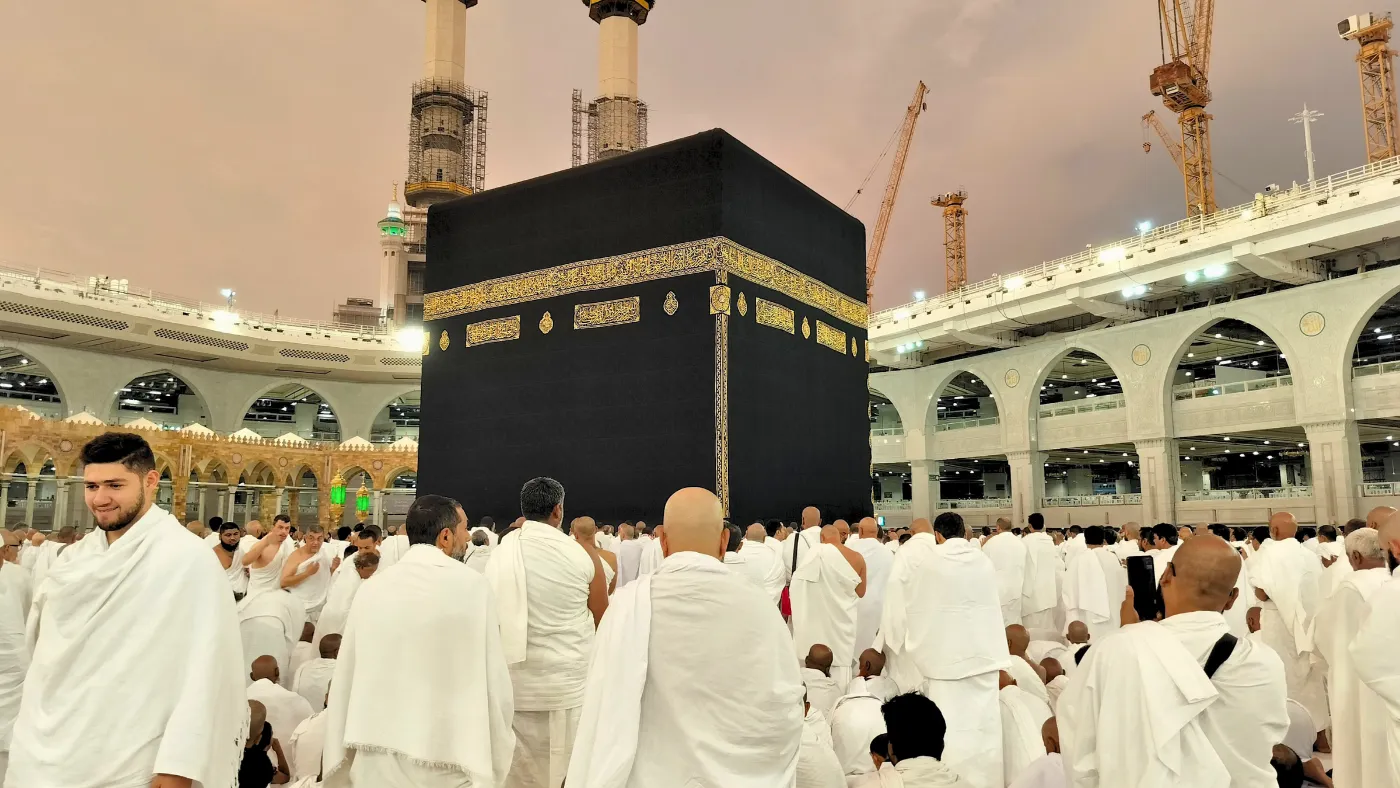
Ramadan holds the greatest spiritual significance of any time to perform Umrah, with a well known hadith describing Umrah performed during Ramadan as equal in reward to Hajj. Ramadan 2026 is expected to fall roughly between 17 February and 18 March, though exact dates depend on moon sighting. The atmosphere in Makkah during this month, breaking fast inside the Haram, praying Taraweeh among millions of worshippers, is unlike any other time of year, and the final ten nights in particular draw huge numbers of pilgrims seeking Laylatul Qadr.
That significance comes with real trade-offs. Crowds during Ramadan are at their highest all year, hotel and flight prices rise sharply, and the physical demands of fasting alongside the rituals can be considerably more tiring, especially during the last ten nights. Pilgrims who want Ramadan's reward with somewhat fewer crowds often aim for the first twenty nights rather than the final third.
Summer (June to August)
Summer temperatures in Makkah and Madinah regularly exceed 40°C, which makes the outdoor sections of the rituals physically demanding and is worth taking seriously if you're travelling with elderly relatives or young children. The main advantage of summer is that it lines up with UK school summer holidays, which in 2026 run roughly from late July into early September depending on the region, making it the only realistic window for families who can't travel during term time. It's also often the cheapest period outside Ramadan itself, since fewer pilgrims choose to travel in the heat.
Comparing the Three
| Winter (Nov-Feb) | Ramadan | Summer (Jun-Aug) | |
|---|---|---|---|
| Typical daytime temperature | Mid-20s to low-30s°C | Varies by Gregorian overlap | Often 40°C+ |
| Crowd levels | Moderate, lower in Jan/Feb | Highest of the year | Moderate to high in early August, otherwise quieter |
| Relative cost | Mid-range | Highest | Often lowest outside Ramadan |
| Best suited to | Elderly pilgrims, first-timers, comfort-focused trips | Those prioritising spiritual reward above cost or comfort | Families tied to UK school holidays |
Best Time for Families With Young Children
Physically, winter is the easiest season for children, with cooler temperatures reducing the risk of heat exhaustion during long periods outdoors. In practice, most UK families are tied to school holidays, which means summer or the October half-term (26 to 30 October 2026 in England and Wales) are often the only realistic windows. If your children aren't yet school age or you have flexibility, aiming for January or February gives the best combination of manageable weather and lower crowds.
When to Book for the Best Prices
Umrah package prices follow a predictable pattern: they rise sharply as Ramadan approaches and stay elevated through the winter school holiday period, then drop during the quieter months after Hajj season and again through parts of summer outside the August peak. Flight prices to Jeddah follow a similar pattern to package costs, rising during Ramadan and the December school holidays and easing off in the quieter months either side. Booking two to four months ahead generally secures better rates than booking close to your travel date, regardless of which season you choose, since the best located hotels near the Haram sell out first.
Planning Your Umrah Trip
Whichever season fits your priorities, working out the trade-offs early makes the rest of the planning easier. If you're still deciding on the practical side of the trip, our step-by-step first-timer's guide covers visa requirements and booking logistics, and our Umrah packages guide breaks down current pricing tiers. Our team also runs guided Umrah tours across the quieter off-peak months specifically for pilgrims who want the winter comfort window without navigating the booking process alone, get in touch and we can talk through dates that suit your priorities.
FAQs
Q1. When is the best time to do Umrah to avoid crowds?
January and February are generally the quietest months, after the December school holiday rush has passed and well before Ramadan demand builds. The period right after Hajj season, in Muharram and Safar, is also considerably quieter than most of the year.
Q2. Is it better to perform Umrah during Ramadan or outside it?
Ramadan carries the greatest spiritual reward but also the highest crowds, costs and physical demands. Outside Ramadan gives you more comfort and flexibility, particularly in winter. Neither is objectively "better", it depends on whether spiritual timing or practical comfort matters more to you.
Q3. What are the peak and off-peak seasons for Umrah travel?
Ramadan is the clear peak season, followed by the December school holidays and parts of August. Off-peak periods include January, February, and the months immediately following Hajj season (Muharram and Safar), when both crowds and prices tend to be at their lowest.
Q4. When should I book an Umrah package for the lowest prices?
Two to four months ahead of travel generally secures noticeably better rates than booking close to your date, and this holds true across every season, not just peak periods.
Q5. Which months have the best weather for Umrah?
November through February offer the most comfortable temperatures, typically in the mid-20s to low-30s Celsius. Spring (March) remains reasonably comfortable before temperatures climb sharply into summer.
Q6. What is the best time for a family with young children to do Umrah?
Winter is physically easiest for children, but most UK families are limited to school holidays. Summer or the October half-term are the realistic options for school-age children, with winter only workable for pre-school families or those with flexible schedules.
Q7. Are flights to Jeddah cheaper at certain times of year?
Yes, generally. Flight prices rise during Ramadan and the December school holiday period and ease off during quieter months, following a similar pattern to package pricing overall.
Q8. Are there religious or cultural considerations that affect the best time to travel?
Ramadan's spiritual significance is the main one, with Umrah performed during this month considered equal in reward to Hajj according to a well known hadith. Some pilgrims also specifically choose Rajab, one of the four sacred months in Islam, for its own spiritual significance, though crowds during Rajab are noticeably lighter than Ramadan.
Q9. Can I book a guided Umrah tour during off-peak months?
Yes. Off-peak months are often the easier time to arrange a guided tour, since demand on both flights and accommodation is lower, giving more flexibility on dates and hotel choice.

 Trustpilot