
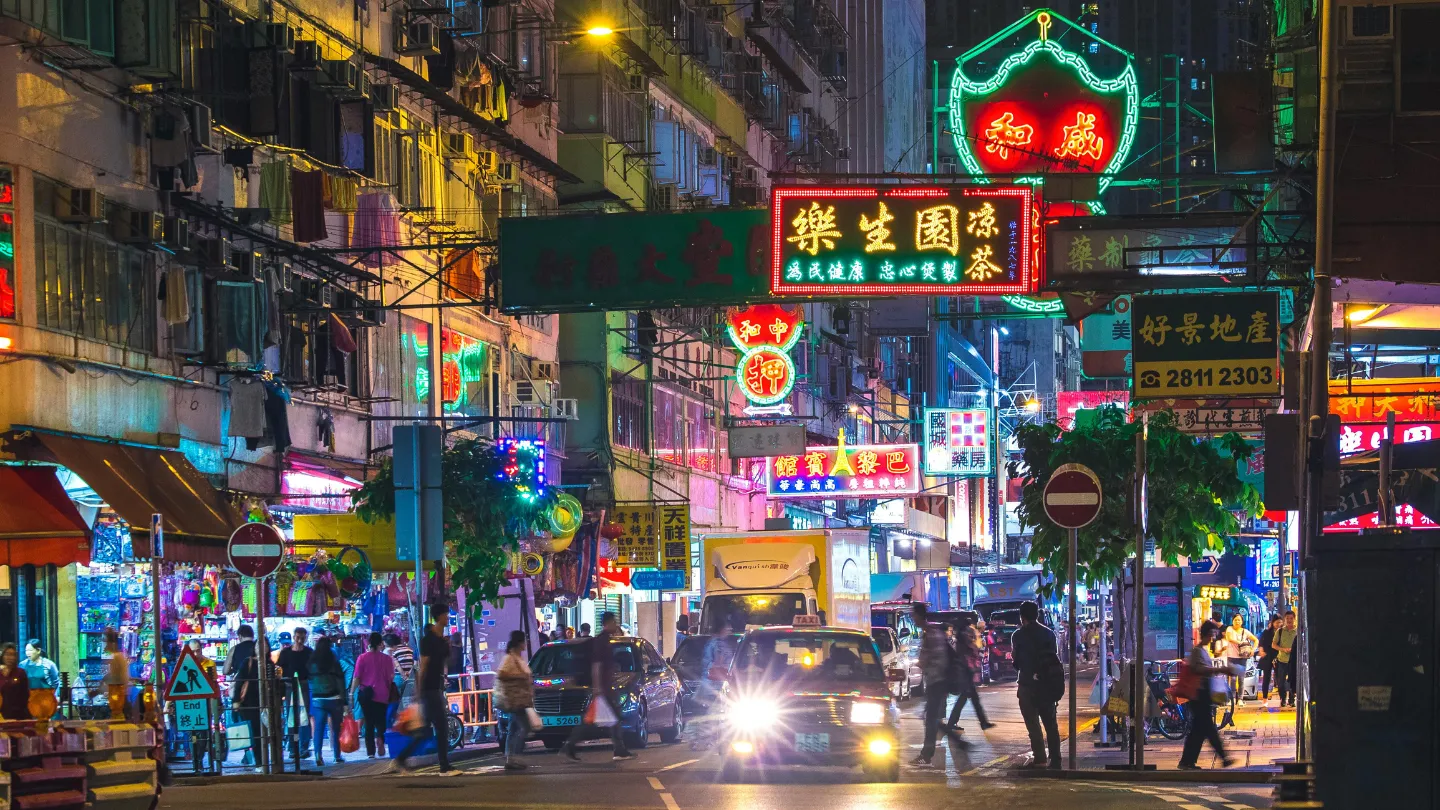
Hong Kong, China presents a striking blend of bustling metropolis energy and natural escapes. With its dramatic skyline, lively streets and peaceful island and coastal options, it offers something for almost any kind of traveller. Whether you come for skyscrapers, street‑market bustle, ferry rides or island trails, Hong Kong invites you with ease, variety and atmosphere.
How to Get to Hong Kong
Reaching Hong Kong is straightforward thanks to its main international airport. Once you arrive you can move easily using public transport or ferries. From the airport or central city, access to islands, beaches or mainland‑style districts is well connected. The convenience ensures you spend time exploring, not figuring out travel logistics.
What Makes Hong Kong Special
1. Skyscrapers and Harbour Views
From the heights of Victoria Peak you can see the dramatic skyline, with skyscrapers reflecting in the harbour waters. The contrast between towers and sea gives a vivid sense of the city’s ambition and marine backdrop. A ride on the historic Star Ferry offers a close‑up harbour crossing and beautiful views at sunset or night.
2. Islands, Beaches and Natural Paths
Beyond the city core lies island‑side calm. On Lantau Island you can ride the cable car to the iconic Big Buddha and then wander through traditional coastal villages such as Tai O. There are walking trails, sea breezes and a distinct change of pace compared with the city bustle. For a mix of nature and quiet sea views, the island escapes provide a refreshing contrast to the urban feel.
3. Culture, Street Life and Markets
Hong Kong’s blend of languages — largely English and Chinese — reflects its “one country two systems” background. This mix shows in everyday life: people, signs, conversations. You’ll find neighbourhood street markets and street‑side food stalls offering a taste of local culinary life. These open‑air markets and city corners give insight into everyday local rhythms.
4. Vibrant Metropolis Meets Island Calm
The city offers the energy of nightlife, high‑rises, shopping and modern comforts. Just a ferry ride or cable‑car trip away, you can find calm beaches, village trails and open air. That balance — between metropolitan rush and tranquil island or coastal escapes — is part of what makes Hong Kong a versatile travel destination.
Things to Do in Hong Kong
- Take the Star Ferry ride across Victoria Harbour around sunset for harbour and skyline views.
- Visit Victoria Peak for panoramic views of skyscrapers, islands and harbour.
- Ride the cable‑car to Lantau Island and see the Big Buddha, then explore Tai O village for a glimpse of coastal life.
- Wander through street markets and local neighbourhoods for food, street‑side eats and everyday cultural atmosphere.
- Use the city’s public transport to explore different districts — from crowded shopping areas to quieter island piers or coastal edges.
Where to Stay
Hong Kong has a range of accommodation to suit different needs. Options vary from convenient city‑centre hotels for easy access to skyscraper views and public transport, to stays near coastal or island areas if you prefer tranquillity and nature.
For those wanting easy access to city rhythm and harbour views, choosing a hotel in central districts makes sense. If you prefer a quieter side of Hong Kong, stay near ferry piers or pick accommodation close to island access for easy day‑trips to beaches and nature paths.
Tips or Practical Advice
- Best months to visit: October to early December tends to bring clear skies, pleasant temperatures and lower humidity — ideal for sightseeing and harbour views.
- Weather in spring: March to May can be mild, but occasional rain and some humidity; fine for urban visits though trails and outdoor plans may be hit or miss.
- Avoid summer if possible: June to August is hot, humid and prone to heavy rain or typhoons, which can disrupt outdoor plans.
- Transport advice: Public transport and ferries make it easy to move around; bring a card or use smart‑card systems to get around quickly and affordably.
- Cultural note: English and Chinese are widely used, reflecting the city’s heritage. Respect for local customs and awareness of crowded areas helps when exploring markets, narrow streets or busy ferries.
Frequently Asked Questions (FAQs)
Q: Which season is best for visiting Hong Kong?
Autumn — October to early December — offers pleasant weather and clear skies, ideal for sightseeing and outdoor plans.Q: Is the public transport system good for tourists?
Yes. Ferries and transport links are well organised. Public transport makes it easy to move between city, harbour and island areas.Q: Is Hong Kong more urban or natural?
Both. You get a vibrant, skyscraper‑filled metropolis along with access to islands, coastal villages and nature trails.Q: Are English and Chinese languages common locally?
Yes. English and Chinese are widely used, reflecting the city’s international background and local culture.Q: Is Hong Kong suitable for a mix of culture, city‑life and nature?
Definitely. The city combines modern skyscrapers, street culture and access to tranquil island escapes, giving a diverse experience.
Autumn — October to early December — offers pleasant weather and clear skies, ideal for sightseeing and outdoor plans.
Yes. Ferries and transport links are well organised. Public transport makes it easy to move between city, harbour and island areas.
Both. You get a vibrant, skyscraper‑filled metropolis along with access to islands, coastal villages and nature trails.
Yes. English and Chinese are widely used, reflecting the city’s international background and local culture.
Definitely. The city combines modern skyscrapers, street culture and access to tranquil island escapes, giving a diverse experience.
Conclusion
Hong Kong, China stands out as a destination where modern cityscape meets gentle island landscapes, where busy streets and serene coastal paths exist side by side. Its mix of skyscrapers, harbour views, culture and sea‑side escapes make it ideal for travellers seeking variety and depth. If you wish to explore more unique destinations and thoughtful itineraries, you can find plenty more on The Peace Destinations website.
Hong Kong, China stands out as a destination where modern cityscape meets gentle island landscapes, where busy streets and serene coastal paths exist side by side. Its mix of skyscrapers, harbour views, culture and sea‑side escapes make it ideal for travellers seeking variety and depth. If you wish to explore more unique destinations and thoughtful itineraries, you can find plenty more on The Peace Destinations website.
Want to explore?
Explore the world with our highly expert guides and affordable tour packages. Book your next trip with us today or Get a quote for your next trip!



 Trustpilot