

The Peace Destinations
Jan 16 • 6 min read
Performing Umrah is one of the most spiritually fulfilling journeys a Muslim can undertake. Choosing the right time to travel can make a significant difference in the overall experience, influencing everything from Umrah rituals and crowd levels to accommodation, travel costs, and comfort. One of the most common questions pilgrims ask is about the Umrah season, and whether Umrah in winters is better than summer Umrah. This guide explores the comparison between Umrah in summer and winter in 2026, including climate, packages, elderly considerations, and travel planning, so that every pilgrim can make an informed decision.
Understanding Umrah Seasons
Saudi Arabia experiences four main seasons: winter, summer, spring, and autumn. Winter, spanning December to February, is mild and pleasant, with temperatures in Makkah and Madinah ranging from 18°C to 30°C. Summer, from June to August, is extremely hot, often reaching 45°C in Makkah. Spring and autumn offer moderate temperatures but are shorter in duration and less commonly chosen for international travel. Choosing the right season is crucial because the climate, crowd levels, and Umrah package costs vary significantly throughout the year.
Winter Umrah
Winter Umrah is widely regarded as the most comfortable period to perform the pilgrimage. The mild climate allows pilgrims to perform Tawaf and Sa’i with ease, without the exhaustion caused by extreme heat. Elderly pilgrims and families with children benefit the most, as cooler temperatures reduce the risk of dehydration and fatigue. Winter is also an excellent time to explore Ziyarat in Makkah and Madinah, including visits to historic mosques, the Kiswa Factory, and Taif, without the discomfort of high temperatures.
During winter, many pilgrims take advantage of all-inclusive Umrah packages, which include flights, hotels near Haram, transport, and guided tours. Luxury options include 5-star hotels in Makkah and Madinah, while budget-conscious travellers can find affordable packages that still cover essential services. Although winter is slightly more expensive than summer due to higher demand during school holidays, the comfort and spiritual serenity it offers make it worthwhile for many pilgrims.
Summer Umrah
Summer Umrah presents a different experience. The extreme heat in Makkah and Madinah can make daytime rituals challenging, particularly for elderly pilgrims and young children. Pilgrims often prefer nighttime Umrah or early morning Fajr time rituals to avoid the scorching heat. Despite the physical challenges, summer is considered the off-peak season, which means cheap Umrah packages, discounted flights, and affordable hotels are widely available. Summer also allows for more flexible bookings and fewer crowds in the Haram, providing an opportunity for a quieter pilgrimage experience for those who can manage the climate.
Air-conditioned transport and modern hotel facilities help mitigate some of the discomfort, and summer remains a viable option for budget-conscious pilgrims who are prepared for careful planning and heat management. Pilgrims travelling in summer need to pay particular attention to hydration, light clothing, and rest to ensure that their journey is safe and spiritually meaningful.
Elderly Pilgrims and Families
Winter Umrah is ideal for elderly pilgrims and families. The mild temperatures allow seniors to perform rituals comfortably, while families can move through the Haram and participate in Ziyarat tours without the stress of extreme weather. Many winter packages are tailored to senior travellers, offering wheelchair access, electric carts, and medical support to ensure a safe and comfortable pilgrimage.
Families considering summer Umrah must take additional precautions. Children and seniors are more vulnerable to heat, so careful planning is required. Scheduling night-time Umrah, staying hydrated, and using air-conditioned transport are essential for ensuring a safe and enjoyable pilgrimage.
Rituals and Timing
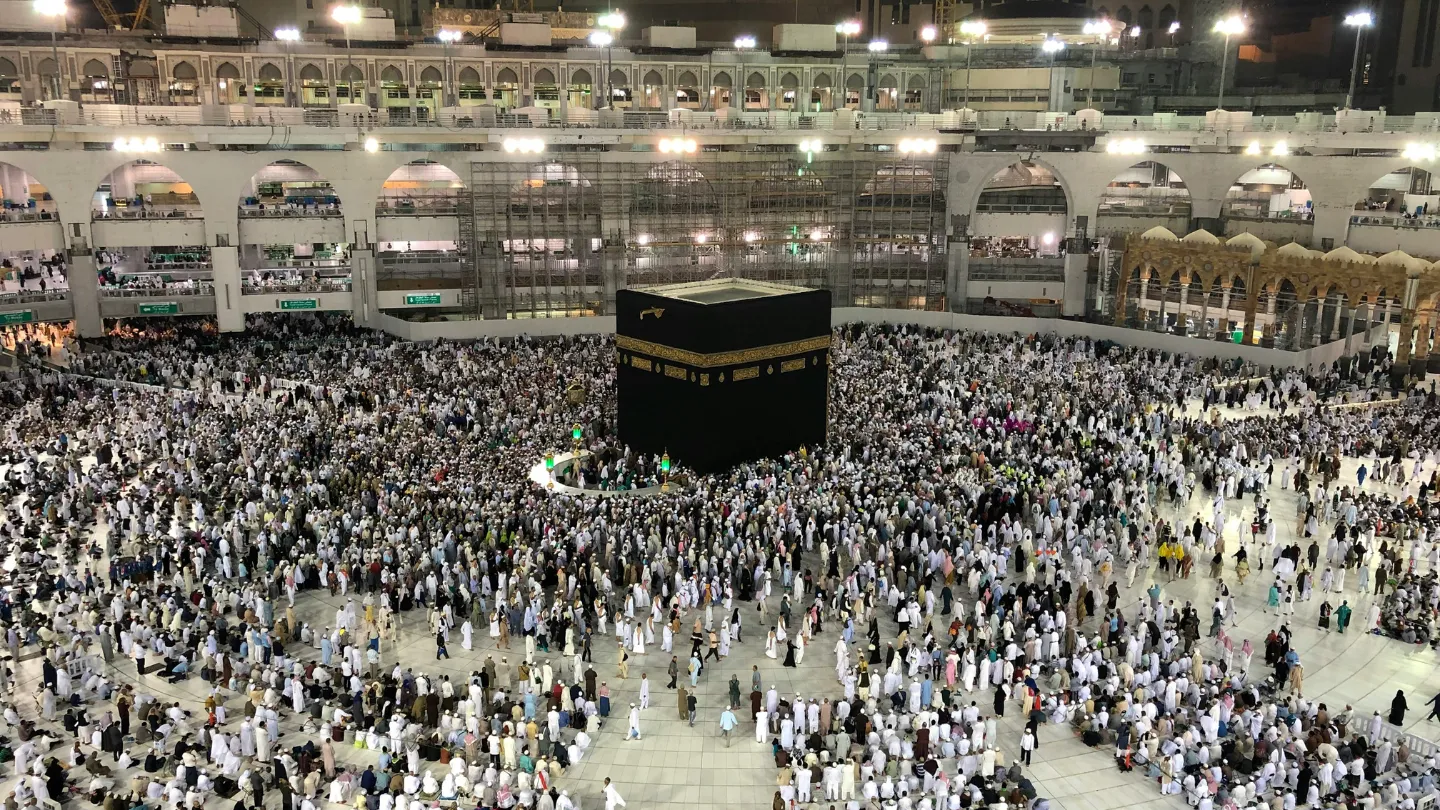
The core Umrah rituals remain the same regardless of season: entering the state of Ihram, performing Tawaf around the Kaaba, completing Sa’i between Safa and Marwah, and finishing with hair trimming or shaving. Seasonal considerations affect mainly comfort and timing. In winter, pilgrims can perform rituals during the day, while summer pilgrims often schedule Umrah at night to avoid intense heat. Proper planning ensures that all rituals, including Ziyarat in Makkah and Madinah, can be performed safely and comfortably.
Cost Comparison: Winter vs Summer Umrah
Winter Umrah is generally more expensive due to high demand during school holidays and international travel peaks. Packages often include premium hotels, all-inclusive deals, and guided tours, providing convenience and comfort. Summer, as an off-peak season, is more affordable, offering budget-friendly Umrah packages, discounted flights, and cheaper hotel rates. Pilgrims must weigh the importance of comfort against cost, especially for elderly travellers or first-time pilgrims.
Best Months for Umrah in 2026
The winter months of December, January, and February are ideal for comfort, a mild climate, and less exhausting rituals. Shoulder months such as March, April, September, and October offer moderate weather and fewer crowds, providing a balance between comfort and cost. The summer months of June, July, and August are suitable for those prioritising affordability, but extreme temperatures necessitate careful planning and nighttime rituals.
Advantages and Disadvantages
Advantages of Winter Umrah:
- Comfortable weather for performing rituals such as Tawaf and Sa’i
- Peaceful pilgrimage with fewer crowds than Ramadan or Hajj season
- Safer for elderly pilgrims and families with children
- Easier exploration of Ziyarat in Makkah and Madinah
- Full engagement with spiritual rituals without physical strain
Disadvantages of Winter Umrah:
- Packages are slightly more expensive than summer
- Higher demand during school holidays can increase crowd levels
- Availability of flights and hotels may require early booking
Advantages of Summer Umrah:
- Cheaper Umrah packages, flights, and hotels
- The off-peak season offers fewer crowds in the Haram
- Flexible accommodation and transport options
- Budget-friendly option for families and groups
Disadvantages of Summer Umrah:
- Extremely high temperatures, especially in Makkah
- Higher risk of dehydration and heat exhaustion
- Elderly pilgrims and children may find rituals physically challenging
- Daytime Umrah rituals are often uncomfortable
Packing Tips
Winter Umrah Packing Tips:
- Light sweater or jacket for evenings
- Comfortable walking shoes for rituals and Ziyarat tours
- Prayer mat, tasbeeh counter, and essential travel documents
- Loose, breathable daytime clothing
- Umbrella for occasional rain
Summer Umrah Packing Tips:
- Light, breathable clothing to stay cool
- Sun protection: hat, sunglasses, and sunscreen
- Reusable water bottle for hydration
- Cooling scarf or towel for intense heat
- Lightweight walking shoes
Common essentials for both seasons include Ihram clothing, toiletries, medications, travel adapters, emergency contacts, and passport/visa documents.
FAQ's About Winter vs Summer Umrah
Q1. Is winter best time to perform Umrah?
Yes, the mild winter weather in Makkah and Madinah makes rituals more comfortable and safe, particularly for elderly pilgrims and families.
Q2. Is summer Umrah cheaper than winter?
Yes, summer is off-peak, offering discounted Umrah packages, cheaper flights, and budget-friendly hotels, although the extreme heat requires careful planning.
Q3. What are the best months for Umrah in 2026?
December, January, and February are the most comfortable. Shoulder months like March, April, September, and October also offer moderate weather with fewer crowds.
Q4. Can elderly pilgrims perform Umrah in summer?
It is possible, but winter is safer for seniors due to the extreme summer heat. Senior-friendly winter packages provide medical support and wheelchair access.
Q5. Are winter and summer Umrah packages different?
Yes. Winter packages often include premium hotels, all-inclusive deals, and guided tours, while summer packages focus on affordability with budget hotels and cheap flights.
Conclusion
Choosing between winter and summer Umrah depends on personal priorities. Winter Umrah is ideal for those seeking comfort, safety, and a peaceful spiritual journey, particularly for elderly pilgrims and families. Mild temperatures and fewer crowds allow pilgrims to fully engage with Umrah rituals, Tawaf, Sa’i, and Ziyarat in Makkah and Madinah.
Summer Umrah, while more budget-friendly, requires careful planning to manage extreme temperatures. Pilgrims must prioritise hydration, night-time rituals, and appropriate clothing to ensure a safe experience. For most pilgrims in 2026, Winter Umrah provides the most balanced combination of comfort, safety, and spiritual fulfilment. Proper preparation, thoughtful Umrah package selection, and awareness of seasonal conditions ensure a memorable and sacred journey.



 Trustpilot