

The Peace Destinations
Jan 16 • 8 min read
Thailand is a year-round destination that offers something for every type of traveller. Whether you’re a solo adventurer, planning a family holiday, seeking a romantic escape, or exploring the country for cultural experiences, Thailand’s islands, beaches, historical sites, and bustling cities promise an unforgettable journey. For first-time visitors from the UK and Ireland, understanding travel logistics, cultural nuances, safety measures, and practical planning tips is key to making the most of your trip.
Why Thailand is a Must-Visit Destination
Thailand is famed for its stunning scenery, white sandy beaches, rich culture, and delicious cuisine. From the bustling streets of Bangkok to the serene islands of Ko Samui, Ko Pha Ngan, and Ko Tarutao, there is something for everyone. Thai people are known for their friendliness and hospitality, and the country’s motto of sabai sabai reflects the relaxed, enjoyable pace of life. Whether you want to experience cultural festivals like Songkran or Loy Krathong, explore ancient ruins in Sukhothai and Ayutthaya, or enjoy adventurous activities in Khao Sok National Park, Thailand is a traveler's dream.
Best Time to Visit Thailand from the UK
The ideal time to visit Thailand depends on the experience you seek. November to February offers cooler, dry weather—perfect for exploring cities, beaches, and national parks. This period is ideal for family beach holidays, romantic getaways, and solo travel. The rainy season, or green season, typically runs from June to October, bringing lush scenery, fewer crowds, and lower prices. However, travelers should be prepared for occasional heavy rain and plan activities accordingly.
UK to Thailand Flights: Booking Tips and Travel Duration
For travellers from the UK, major international airports such as Bangkok Suvarnabhumi Airport (BKK) and Bangkok Don Mueang Airport (DMK) serve as primary gateways. Direct flights are available from London Heathrow (LHR), London Gatwick (LGW), and Manchester (MAN), with airlines like British Airways, Thai Airways, and Bangkok Airways offering both economy and premium options.
Connecting flights through Middle Eastern hubs like Dubai, Abu Dhabi, or Singapore are common with carriers including Emirates, Singapore Airlines, and Turkish Airlines. First-time visitors should compare flight options via Skyscanner, Google Flights, or a trusted travel agency like DialAFlight to find the best fare.
Domestic travel in Thailand is facilitated by internal flights to airports such as Chiang Mai (CNX), Chiang Rai Mae Fah Luang (CEI), Krabi (KBV), and Phuket (HKT), ensuring easy onward travel to the islands, northern highlands, and southern beaches.
Visa Requirements for UK and Irish Citizens
UK and Irish passport holders typically benefit from a visa exemption for stays of up to 30 days when entering Thailand by air. For longer stays or multiple visits, a tourist visa is required. Before departure, complete the Thailand Digital Arrival Card (TDAC) online, ensure your passport is valid for at least six months, and have travel insurance ready.
Packing Tips for Thailand
Packing for Thailand depends on the regions you plan to visit and the activities you wish to do. Essentials include lightweight clothing, breathable fabrics, and footwear suitable for walking and water activities. Solo travellers and backpackers may prefer a 35L or 60L backpack, while families and couples may opt for a roller suitcase.
Other essentials:
- Footwear: Flip flops, sandals, waterproof shoes
- Clothing: Sarong for temple visits, modest attire covering shoulders and knees
- Health: Sunscreen, bug spray, first-aid kit, personal medications
- Electronics: Camera protection, universal Type C converter, power banks
- Travel Essentials: Reusable water bottles, quick-dry towels, daypack
Money Matters: Budgeting and Currency
Thailand’s currency is the Thai Baht (THB). UK travellers should plan their budget for accommodation, food, transport, and activities. While ATMs are widely available, having some cash on hand is useful for local markets, street food, and tipping. Credit cards and debit cards are widely accepted, though small vendors often prefer cash. Use a currency converter app like OANDA or XE Currency to stay updated with exchange rates.
Budget-conscious travellers can enjoy street food, local transportation, and mid-range accommodations, while those seeking luxury experiences can opt for high-end resorts like Panviman Resort, Chiang Mai, or The Sarojin, Khao Lak.
Getting Around Thailand
- Thailand offers diverse transport options for all travellers.
- Domestic Flights: Thai Airways, Bangkok Airways, VietJet, and AirAsia provide convenient connections to northern, southern, and eastern destinations.
- Road Travel: Songthaews, taxis, tuk-tuks, buses, minivans, and car hire are widely available. Drivers should be aware of left-hand driving rules and use an international driving permit if renting a car.
- Boats and Ferries: Essential for island hopping to Ko Samui, Ko Pha Ngan, Ko Tao, Ko Lipe, and Ko Phi Phi.
- Rail Travel: The State Railway of Thailand offers sleeper trains and scenic routes from Bangkok to Chiang Mai, Ayutthaya, and southern provinces.
- Cycling: Bicycles can be rented in Chiang Mai, Pai, and several islands for eco-friendly exploration.
- Ride-hailing apps like Grab and Maxim simplify city travel, while airport rail links provide fast connections from Bangkok’s airports to the city centre.
Cultural Experiences and Festivals
Thailand is rich in cultural traditions and festivals. First-time visitors should explore:
- Chiang Mai Flower Festival (February)
- Songkran – Thai New Year (April)
- Loy Krathong (November)
Historical cities like Ayutthaya, Sukhothai, and Kanchanaburi showcase Thailand’s heritage and UNESCO World Heritage sites. Community-based and responsible tourism initiatives allow travellers to engage with local culture while supporting the Thai people and environment.
Top Destinations in Thailand
- Bangkok: Bustling capital with vibrant street food, markets, temples like Wat Pho, Wat Arun, and the Grand Palace, plus river cruises on the Chao Phraya River.
- Chiang Mai & Northern Thailand: Cultural hub with temples, night bazaars, and natural attractions like Doi Suthep, Mae Hong Son, Pai Canyon, and eco-tours.
- Southern Thailand Islands: Ko Samui, Ko Pha Ngan, Ko Tao, Ko Tarutao, and Ko Jum are perfect for beaches, diving, snorkeling, and romantic getaways.
- Krabi & Ao Nang: Limestone cliffs, Railay Beach, and Ko Phi Phi provide adventure, relaxation, and honeymoon experiences.
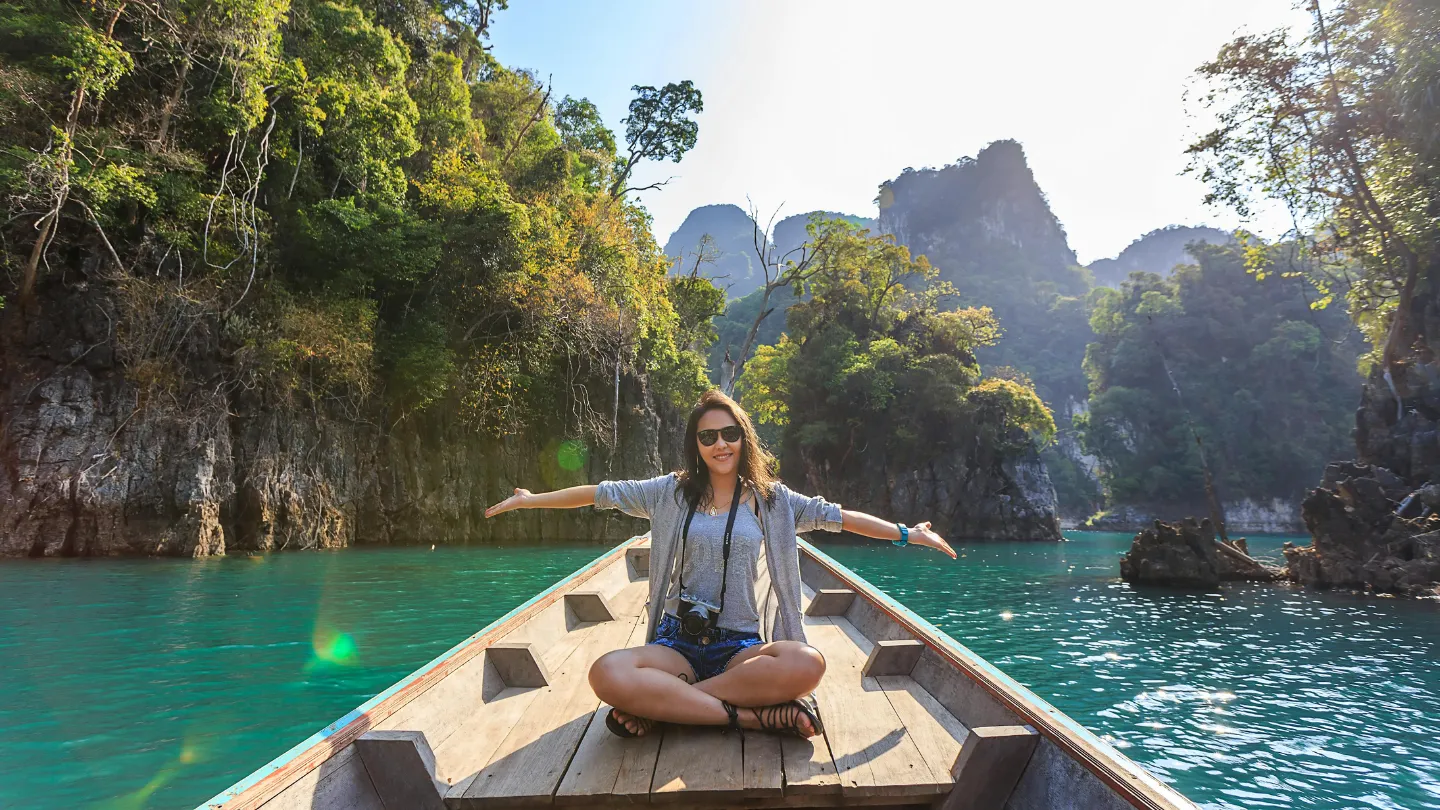
- Khao Sok National Park & Chiaw Lan Lake: Ideal for jungle treks, floating raft houses, wildlife spotting, and eco-tourism.
- Isaan & Mekong River: Explore authentic rural culture, festivals, and historical sites.
Thai Food and Dining Experiences
Thailand is a culinary paradise. Street food in Bangkok, Chiang Mai, and Phuket offers khao soi, pad Thai, mango sticky rice, and more. High-end dining, vegan options, and Michelin-rated restaurants provide variety for discerning travellers. Try local markets, floating markets like Damnoen Saduak, and cooking classes for an immersive experience.
Adventure, Sport, and Wellness
Thailand caters to adventure seekers:
- Muay Thai training
- Cycling, golf, hiking, rock climbing
- Diving and snorkeling at Ko Poda, Ko Phi Phi, and Similan Islands
For relaxation, enjoy Thai massage, wellness retreats, and spa experiences in Chiang Mai, Phuket, and luxury resorts like Panviman Resort.
Solo Travel, Family, and Romantic Holidays
Thailand is suitable for all types of travellers:
- Solo adventurers can explore Bangkok, northern highlands, and islands safely.
- Families enjoy beaches in Ko Samui and Khao Lak, school holiday packages, and child-friendly attractions.
- Couples can plan romantic escapes, honeymoons, anniversaries, or even destination weddings with stunning scenery and luxury resorts.
LGBT+ travellers can enjoy Thailand’s inclusivity with Go Thai Be Free initiatives, welcoming communities, and safe nightlife in Bangkok and Pattaya.
Health, Safety, and Travel Tips
Ensure vaccinations are up to date, carry travel insurance like SafetyWing, and use eSIM cards for connectivity. Thailand is generally safe, but travellers should stay aware of local laws, cultural etiquette, and road safety. Hydration, sun protection, and mosquito repellent are essential in tropical regions.
Travel Technology and Apps
Useful apps for first-time visitors:
- iTranslate or Thai-English dictionaries for communication
- Grab for transport
- Klook for tours and day trips
- My Global Rescue App for emergency alerts and health assistance
- Online booking platforms like Skyscanner or Google Flights for flights and transfers
Responsible and Sustainable Travel
Thailand promotes responsible tourism through eco-friendly tours, elephant conservation programs, and community-based experiences. Respect temples, local customs, and the environment while supporting local businesses and initiatives.
FAQ's About Winter vs Summer Umrah
Q1. What is the best time of year to visit Thailand for first-time travellers?
The ideal time is from November to February when the weather is cooler and dry. This makes it perfect for exploring Bangkok, the northern regions like Chiang Mai, and the southern islands such as Ko Samui and Ko Pha Ngan.
Q2. Do I need a visa to visit Thailand from the UK or Ireland?
UK and Irish passport holders can usually enter Thailand without a visa for up to 30 days by air. For longer stays or multiple visits, you may need a tourist visa. Make sure your passport is valid for at least six months.
Q3. What are the most popular destinations in Thailand for first-time visitors?
Bangkok, Chiang Mai, Chiang Rai, Phuket, Krabi, Ko Samui, Ko Pha Ngan, Khao Sok National Park, Ayutthaya, and Sukhothai are some of the most visited destinations, offering a mix of culture, beaches, adventure, and relaxation.
Q4. How can I travel within Thailand efficiently?
Domestic flights, buses, trains, songthaews, tuk-tuks, taxis, ferries, and car hires are all available. Bangkok Airways, Thai Airways, VietJet, and AirAsia provide reliable internal flights. Ride-hailing apps like Grab are useful in cities.
Q5. Is Thailand safe for solo travellers, families, and couples?
Yes. Thailand is generally safe for all types of travellers. Solo adventurers, families on holidays, and couples seeking romantic escapes can enjoy the country safely by following basic precautions and respecting local laws and customs.
Q6. What should I pack for a trip to Thailand?
Pack lightweight clothing, modest attire for temples, comfortable walking shoes, sandals, a hat, sunglasses, reusable water bottles, sunscreen, insect repellent, and electronics with a Type C converter. Bring quick-dry clothing and rain gear if travelling during the green season.
Q7. What cultural experiences should I not miss in Thailand?
Attend festivals such as Songkran (Thai New Year), Loy Krathong, and the Chiang Mai Flower Festival. Visit historical sites in Ayutthaya, Sukhothai, and Kanchanaburi, as well as Buddhist temples like Wat Phra Kaew, Wat Pho, and Wat Arun
Q8. How much budget should I plan for a trip to Thailand?
Budget depends on travel style. Street food and hostels are cost-effective, while luxury resorts and high-end dining increase expenses. Consider airfare, internal flights, accommodation, transport, food, activities, and shopping. Using ATMs, credit cards, and mobile payments makes managing finances easier.
Q9. What activities are recommended for adventure and wellness?
Try diving, snorkeling, Muay Thai, cycling, golf, jungle treks, floating raft houses in Khao Sok, and wildlife tours. For wellness, enjoy Thai massage, spas, and wellness retreats in Chiang Mai, Phuket, and luxury resorts like Panviman Resort.
Q10. Are Thailand’s beaches suitable for families and romantic getaways?
Yes. Islands like Ko Samui, Ko Pha Ngan, Ko Tao, Ko Tarutao, Krabi, and the Gulf Coast offer beautiful beaches, calm waters, and safe resorts, perfect for family beach holidays, romantic escapes, honeymoons, and special celebrations like birthdays and anniversaries.
Conclusion
Thailand is a diverse and accessible destination for first-time visitors from the UK. With careful planning, awareness of flights, visas, transport options, cultural norms, health precautions, and packing essentials, your trip can be stress-free and enjoyable. From the vibrant streets of Bangkok to the serene beaches of Ko Samui and the mountains of Northern Thailand, this country offers unforgettable experiences for solo travellers, families, and couples alike.
Whether you’re seeking cultural immersion, adventure, relaxation, or culinary delights, Thailand promises memories that will last a lifetime.



 Trustpilot