

The Peace Destinations
Dec 31 • 5 min read
Miami is often seen as a city of beaches and skylines, yet just beyond the urban edge lies a surprisingly rich natural world. The Miami area is home to coastal wetlands, open bays, mangrove islands, and wildlife habitats that support birds, marine life, and fragile ecosystems.
Tours focused on wildlife and Everglades experiences offer a quieter, more meaningful way to understand this side of South Florida. They allow travellers to observe nature respectfully while learning about marine conservation, wildlife protection, and the challenges facing these environments. For those who value calm exploration and environmental awareness, these tours provide a deeper connection to the land and water.
Best Time to Experience Wildlife Tours in Miami
The most rewarding wildlife experiences in Miami tend to follow seasonal patterns. From November to April, cooler temperatures and lower humidity make outdoor tours more comfortable, especially in wetlands and open water areas.
This period is also ideal for birdwatching. Migratory species join resident wading birds, creating excellent conditions for wildlife observation around Biscayne Bay and nearby conservation zones. Summer months remain possible, but early morning tours are recommended due to heat and afternoon storms.
Biscayne Bay Wildlife Tours
1. Exploring Biscayne Bay and Its Islands
Biscayne Bay forms the ecological heart of coastal Miami. Its shallow waters, seagrass beds, and Biscayne Bay islands provide shelter for fish, birds, and marine mammals. Wildlife-focused boat tours move slowly through these areas, allowing guests to observe Biscayne Bay wildlife without disturbing natural behaviour.
These tours often highlight the Biscayne Bay environment, explaining how mangroves filter water, protect shorelines, and support young marine life. Guides frequently discuss Biscayne Bay conservation efforts and how human activity impacts this delicate ecosystem.
2. Biscayne Bay Kayaking Experiences
For a more intimate encounter, Biscayne Bay kayaking tours are an excellent option. Paddling quietly through mangrove tunnels and along sheltered shorelines brings you close to nature without engine noise.
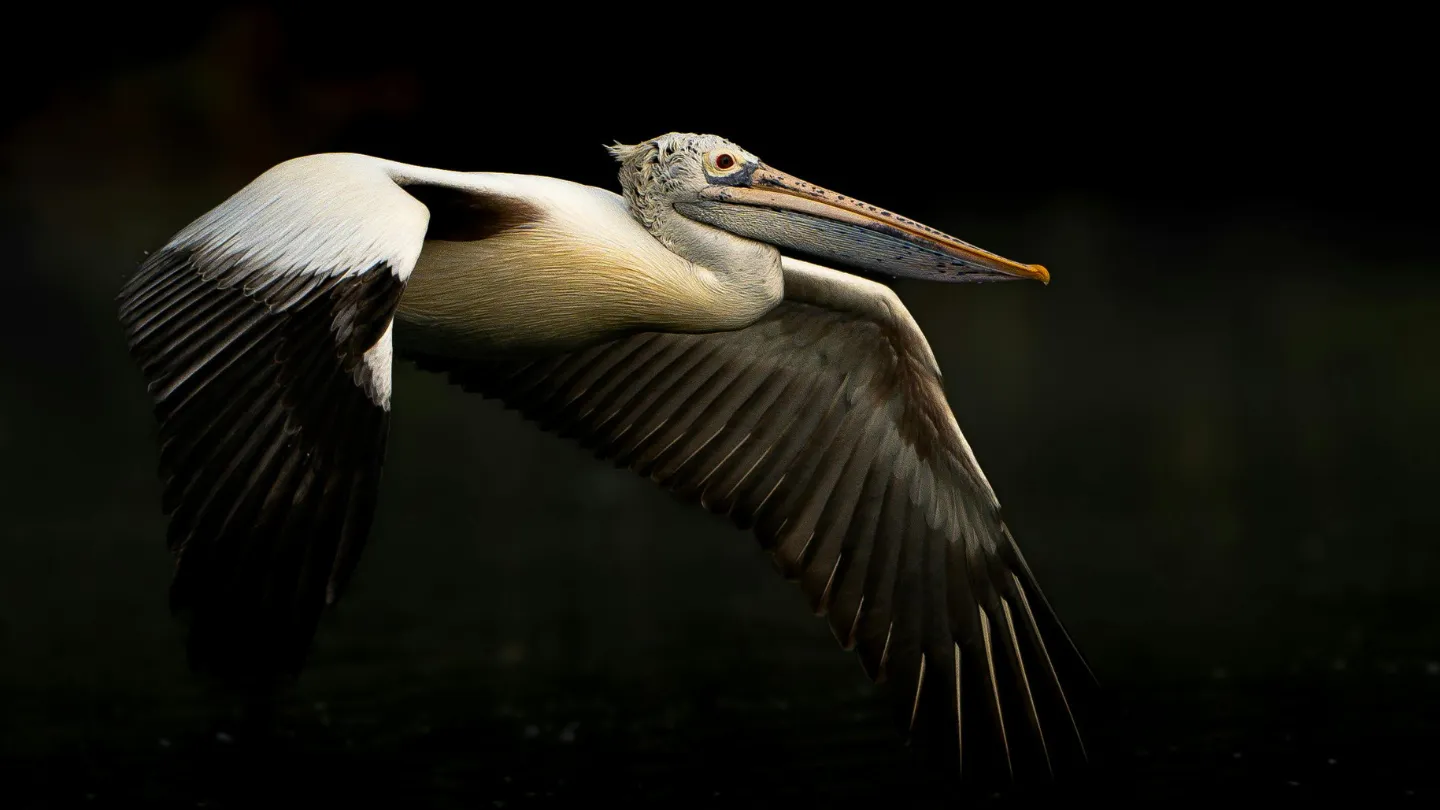
Kayakers often spot herons, pelicans, and other wading birds feeding in the shallows. With luck, you may even see a magnificent frigate bird gliding overhead. These tours emphasise low-impact travel and are ideal for travellers interested in coastal conservation and mindful exploration.
3. Biscayne Bay Yachting with a Nature Focus
While yachting is often associated with leisure, some Biscayne Bay yachting experiences are designed around wildlife observation and education. Smaller vessels follow responsible routes, avoiding sensitive habitats and highlighting boating safety.
Guides explain safe fishing practices, the risks of fishing line entanglement, and how careless boating can affect marine life. This approach blends comfort with environmental awareness, appealing to visitors who want to learn while enjoying the water.
Everglades Wildlife Experiences from the Miami Area
1. Guided Everglades Nature Tours
Everglades tours departing from the Miami area focus on the vast wetland system that defines South Florida’s interior. Rather than fast-paced rides, wildlife-focused experiences prioritise observation and education
Guides interpret animal tracks, explain water flow patterns, and identify native plants Florida is known for. Visitors often encounter alligators, turtles, and a wide variety of bird species, all within a carefully managed environment designed to protect wildlife.
2. Birdwatching and Wetland Observation
The Everglades are particularly known for birdlife. Wading birds such as egrets, ibises, and spoonbills thrive here, feeding in shallow waters rich with nutrients.
Tours often include quiet observation stops, allowing guests to watch feeding and nesting behaviour from a respectful distance. These moments offer insight into wildlife protection efforts and the importance of preserving natural water systems.
Pelican Harbor Seabird Station Visits
1. Learning About Seabird Rescue
Pelican Harbour Seabird Station is one of the most meaningful wildlife-related experiences in Miami. This non-profit centre focuses on seabird rescue and rehabilitation, caring for injured birds affected by pollution, boat strikes, and fishing debris.
Visits provide a close look at injured wildlife rescue efforts and the long recovery process before birds can return to the wild. Seeing pelicans, gulls, and occasionally a magnificent frigate bird up close creates a powerful connection to local conservation work.
2. Understanding Human Impact on Wildlife
Educational tours at Pelican Harbour Seabird Station highlight common threats such as plastic pollution reduction, fishing line entanglement, and habitat loss. Visitors learn how simple actions can reduce harm, from responsible waste disposal to choosing reef-safe sunscreen.
This experience is especially valuable for travellers who want their visit to support marine conservation and long-term wildlife protection
Where to Stay for Wildlife-Focused Tours
Bayside and Coastal Stays
Staying near Biscayne Bay offers easy access to kayaking, boating, and conservation-based tours. Waterfront hotels and small boutique stays provide convenient departure points while keeping travel time minimal.
These locations suit travellers planning multiple Biscayne Bay conservation activities without needing long transfers.
Near Everglades Access Points
For Everglades-focused experiences, accommodations on the outskirts of the Miami area offer quieter surroundings and early tour access. Options range from eco-lodges to simple motels, catering to different budgets while keeping nature at the centre of the stay.
Read more: Travel Guide to Miami, Florida
Read more: Travel Guide to Miami, Florida
 Trustpilot