


The Peace Destinations
Mar 10 • 7 min read
Jeju Island sits off the southern coast of South Korea and is widely known for its dramatic landscapes, volcanic formations, and relaxed coastal atmosphere. Often called the country’s natural escape, the island offers a mixture of rugged mountains, quiet villages, scenic cliffs, and peaceful beaches.
Travellers searching for things to do in Jeju Island quickly discover that the island is shaped by nature. Lava tubes run beneath the ground, waterfalls plunge into the sea, and the towering Hallasan volcano rises at the centre of the island. Alongside these natural wonders, there are traditional villages, tea plantations, coastal walking paths, and some of the most beautiful viewpoints in the country.
This Jeju Island travel guide explores the best things to do in Jeju Island in detail, helping travellers understand what makes each place special and how to experience the island at a comfortable pace.
Best Time to Visit Jeju Island
The best time to visit Jeju Island depends on the kind of scenery and activities you want to experience.
Spring is one of the most beautiful seasons on the island. From late March to April, cherry blossoms appear across parks and roadsides, creating some of the most picturesque Jeju cherry blossom spots. Shortly afterwards, bright yellow Jeju canola flower fields bloom across farmland and coastal plains.
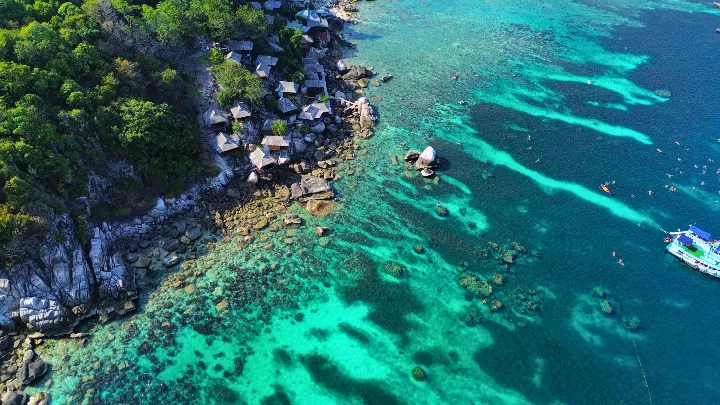
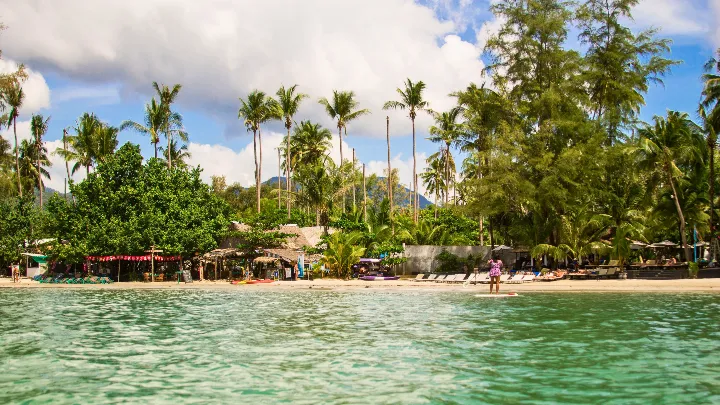
Summer brings warm weather and clear seas, making it ideal for exploring the best beaches in Jeju Island. The island becomes lively with swimmers, surfers, and travellers enjoying the coast.
Autumn is considered one of the most comfortable seasons. Temperatures are mild, hiking conditions are excellent, and the landscapes around the volcanic hills turn warm shades of orange and red.
Winter is quieter and cooler but still appealing for travellers who want peaceful sightseeing and fewer crowds.
Hike Hallasan Mountain
One of the most unforgettable things to do in Jeju Island is to hike Hallasan Mountain. This dormant volcano stands at 1,947 metres and dominates the centre of the island.
The mountain is surrounded by a national park with several well-marked Jeju Island hiking trails. Two of the most popular routes lead to the summit: the Seongpanak Trail and the Gwaneumsa Trail. Both offer sweeping views of forests, lava formations, and alpine vegetation.
Reaching the top reveals Baekrokdam crater lake, a dramatic bowl-shaped crater formed by volcanic activity thousands of years ago. On clear days, hikers can see far across the island and out towards the sea.
For many travellers exploring what to do in Jeju South Korea, hiking Hallasan is the highlight of the entire trip.
Visit Seongsan Ilchulbong Peak
Among the most famous Jeju Island tourist attractions is Seongsan Ilchulbong, also known as Sunrise Peak.
This dramatic volcanic cone rises sharply from the sea on the eastern coast of the island. Formed by a volcanic eruption under the ocean, the crater now sits above sea level and is surrounded by steep cliffs.
Visitors climb a wooden staircase path to reach the rim of the crater. The hike takes around 20 to 30 minutes and rewards travellers with wide views of farmland, villages, and the ocean beyond.
Many people visit early in the morning to watch the sunrise over the crater. The calm light over the sea makes this one of the most memorable Jeju Island sightseeing experiences.
Manjanggul Lava Tube Visit
Jeju’s volcanic origins are visible not only on the surface but also underground. One of the best places to see this is during a Manjanggul lava tube visit.
Manjanggul is one of the longest lava tunnels in the world and stretches for several kilometres beneath the island. Visitors can walk through a section of the cave, where the tunnel walls display fascinating lava formations created as molten rock cooled thousands of years ago.
Inside the cave, the temperature remains cool throughout the year. The highlight is a towering lava column formed when molten lava flowed around solid rock.
Exploring Manjanggul offers a deeper understanding of the geological forces that shaped Jeju Island nature attractions.
O’Sulloc Tea Museum and Green Tea Fields
On the western side of the island, travellers will find the peaceful green landscapes surrounding the O’Sulloc Tea Museum Jeju.
The museum introduces visitors to Korea’s tea culture and the history of tea cultivation on Jeju Island. Exhibits explain how the volcanic soil and coastal climate create perfect growing conditions for green tea.
Outside the museum, rows of vibrant green tea bushes stretch across rolling fields. Walking through these plantations is a calm and refreshing experience.
The café at the museum is also known as one of the best cafes in Jeju Island, offering desserts and drinks made with locally grown green tea.
Udo Island Day Trip from Jeju
A short ferry ride from Jeju’s eastern coast leads to Udo Island, one of the most relaxing excursions travellers can make.
An Udo Island day trip from Jeju reveals a slower pace of island life. The small island is known for its clear beaches, bicycle paths, and scenic viewpoints.
Many visitors rent bicycles or small electric scooters to circle the island’s coastal road. Along the way, they pass farmland, fishing villages, and quiet beaches with pale sand and turquoise water.
Udo is also famous for peanut ice cream, a simple local treat that has become part of the island’s charm.
Yongmeori Coast Visit
The Yongmeori Coast offers one of the most striking coastal landscapes in Jeju Island sightseeing.
Here, centuries of ocean erosion have carved the cliffs into layered formations that resemble the rippling mane of a dragon, which is how the place received its name.
Visitors can walk along the narrow path at the base of the cliffs when tides are low. The rock layers reveal patterns formed by ancient volcanic eruptions and shifting seas.
The surrounding coastline also provides sweeping views of the ocean and nearby Sanbangsan Mountain.
Jusangjeolli Cliff
Another remarkable volcanic formation can be seen at Jusangjeolli Cliff.
These cliffs are made of tall hexagonal stone columns formed when hot lava cooled rapidly after reaching the sea. The result is a geometric pattern that looks almost architectural.
Waves crash dramatically against the base of the columns, creating an impressive natural spectacle.
For travellers exploring top attractions in Jeju Island, Jusangjeolli Cliff stands out as one of the most visually unusual natural sites on the island.
Seongeup Folk Village Visit
To understand Jeju’s traditional culture, a visit to Seongeup Folk Village is essential.
This preserved village shows how people lived on the island centuries ago. Houses are built from volcanic stone and topped with thick thatched roofs designed to withstand strong coastal winds.
Stone walls line narrow paths, and local residents continue to live and work within the village.
Exploring Seongeup offers insight into Jeju’s history, customs, and rural lifestyle, making it one of the most culturally meaningful places to visit in Jeju Island.
Discover the Best Beaches in Jeju Island
The island’s coastline is filled with beaches that vary from lively resort areas to quiet natural coves.
Hyeopjae Beach is often considered one of the best beaches in Jeju Island. Its shallow turquoise water and white sand make it ideal for swimming and relaxing.
Hamdeok Beach, located near Jeju City, is another favourite with calm waters and a relaxed seaside atmosphere.
Jungmun Beach, further south near Seogwipo, is known for its dramatic cliffs and slightly stronger waves that attract surfers.
Each beach offers a different view of the island’s volcanic coastline.
Explore the Best Waterfalls in Jeju Island
Jeju Island is home to several beautiful waterfalls, many of which flow directly towards the sea.
Cheonjiyeon Waterfall near Seogwipo is surrounded by lush vegetation and is easily accessible by a peaceful walking path.
Jeongbang Waterfall is particularly unique because it flows straight into the ocean. Standing on the rocky shore while the water crashes down nearby is a powerful sight.
These natural landmarks rank among the best waterfalls in Jeju Island and are essential stops in any Jeju Island travel itinerary.
Seogwipo Travel Guide Highlights
Seogwipo, located on the southern coast, is one of the most scenic parts of the island.
The area combines waterfalls, coastal cliffs, walking paths, and local markets. Many travellers base themselves here while exploring nearby natural attractions such as Jungmun Beach, Cheonjiyeon Waterfall, and Jusangjeolli Cliff.
Seogwipo’s harbour area also offers fresh seafood restaurants and relaxed evening walks along the waterfront.
Where to Stay in Jeju Island
Jeju Island offers accommodation ranging from luxury resorts to small guesthouses.
Luxury travellers often stay near Jungmun Resort, where upscale hotels overlook the ocean and provide easy access to beaches and golf courses.
Mid-range travellers frequently choose hotels in Seogwipo, where many Jeju Island tourist attractions are nearby.
Budget travellers and backpackers may prefer guesthouses around Jeju City, which provide convenient access to transport and restaurants.
Choosing where to stay in Jeju Island often depends on whether travellers prefer coastal scenery, quiet villages, or easy transport connections.
How to Get Around Jeju Island
Understanding how to get around Jeju Island helps travellers explore more comfortably.
Many visitors choose car rental because public transport can be limited in rural areas. Jeju Island car rental tips include booking in advance, bringing an international driving permit, and using navigation apps for directions.
Buses do connect major attractions, but journeys can take longer than driving.
Travellers planning a Jeju Island itinerary often find that renting a car allows them to visit remote beaches, scenic viewpoints, and villages at their own pace.
Why Visit? Romantic ambiance, art, architecture, and lively Easter celebrations.
Jeju Island Travel Tips
- When planning how to visit Jeju Island, a few simple tips can make the trip smoother.
- Wear comfortable walking shoes, as many attractions involve short hikes or coastal paths.
- Weather can change quickly on the island, especially around Hallasan, so carrying a light jacket is wise.
- Booking accommodation early during cherry blossom season and summer holidays is also recommended.
- Finally, allow time to explore slowly. Many of the best places to visit in Jeju Island reveal their beauty when travellers pause to enjoy the scenery rather than rushing between attractions.
FAQs
Q1. What are the best things to do in Jeju Island?
Some of the best things to do in Jeju Island include hiking Hallasan Mountain, visiting Seongsan Ilchulbong Peak, exploring Manjanggul Lava Tube, relaxing on beaches, and visiting the O’Sulloc Tea Museum.
Q2. How many days are enough for a Jeju Island trip?
Three days allow travellers to see major attractions, but five to seven days provide a more relaxed Jeju Island itinerary with time for beaches, hiking, and cultural sites.
Q3. What is the best time to visit Jeju Island?
Spring and autumn are considered the best seasons due to comfortable weather, cherry blossoms, and colourful landscapes.
Q4. Do you need a car in Jeju Island?
While buses are available, renting a car is often the easiest way to explore the island’s natural attractions and remote coastal areas.
Q5. Are Jeju Island beaches good for swimming?
Yes. Beaches such as Hyeopjae and Hamdeok are known for calm, shallow waters that are suitable for swimming.
Q6. Is Hallasan difficult to hike?
Hallasan offers several hiking trails ranging from moderate to challenging. Most travellers with reasonable fitness can complete the hike with proper preparation.
Conclusion
Jeju Island stands apart from the rest of South Korea thanks to its volcanic landscapes, quiet beaches, and deeply rooted cultural traditions. From climbing the slopes of Hallasan to watching the sunrise at Seongsan Ilchulbong, the island offers an experience shaped by nature and time.
Exploring the many things to do in Jeju Island reveals a destination that rewards slow travel. Coastal cliffs, lava caves, waterfalls, and green tea fields all form part of an island that feels both wild and welcoming.
Travellers searching for natural beauty, peaceful scenery, and memorable experiences will find that Jeju Island offers far more than they expect. You can discover more inspiring destinations and detailed travel guides like this on The Peace Destinations.
 Trustpilot