

The Peace Destinations
Dec 22 • 7 min read
Berlin is a city shaped by history, creativity, and constant reinvention. Germany’s capital does not try to impress in a polished way; instead, it draws you in with stories etched into streets, buildings, and neighbourhoods. From iconic landmarks to powerful memorials and lively public squares, Berlin offers experiences that feel meaningful rather than rushed.
Whether you are planning a short Berlin city break or a longer stay, the city rewards curiosity. Its attractions reflect moments of triumph, tragedy, division, and reunification, all woven into everyday life. This Berlin travel guide explores the most important places and experiences to help you understand the city, not just visit it.
Best Time to Visit Berlin
The best time for visiting Berlin is between May and September. Late spring and summer bring mild weather, long daylight hours, and a lively atmosphere across parks, riversides, and outdoor cafés. This is ideal for walking between Berlin attractions and enjoying open-air events.
Autumn, particularly September and October, is quieter and cooler, with golden light that suits sightseeing and photography. Winter has its charm too, especially around Christmas markets, but shorter days and cold temperatures limit outdoor exploring. For balance between comfort and crowds, late May or early September works best.
Reykjavik summer travel (June to August) brings long daylight hours, lively streets and outdoor cafés. The weather is mild, and it’s the best time for Reykjavik nature views, harbour walks, and taking day trips that rely on longer daylight. Many visitors start their Iceland summer trip here before setting off for the countryside.
Read more:
Reichstag Building and Reichstag Dome
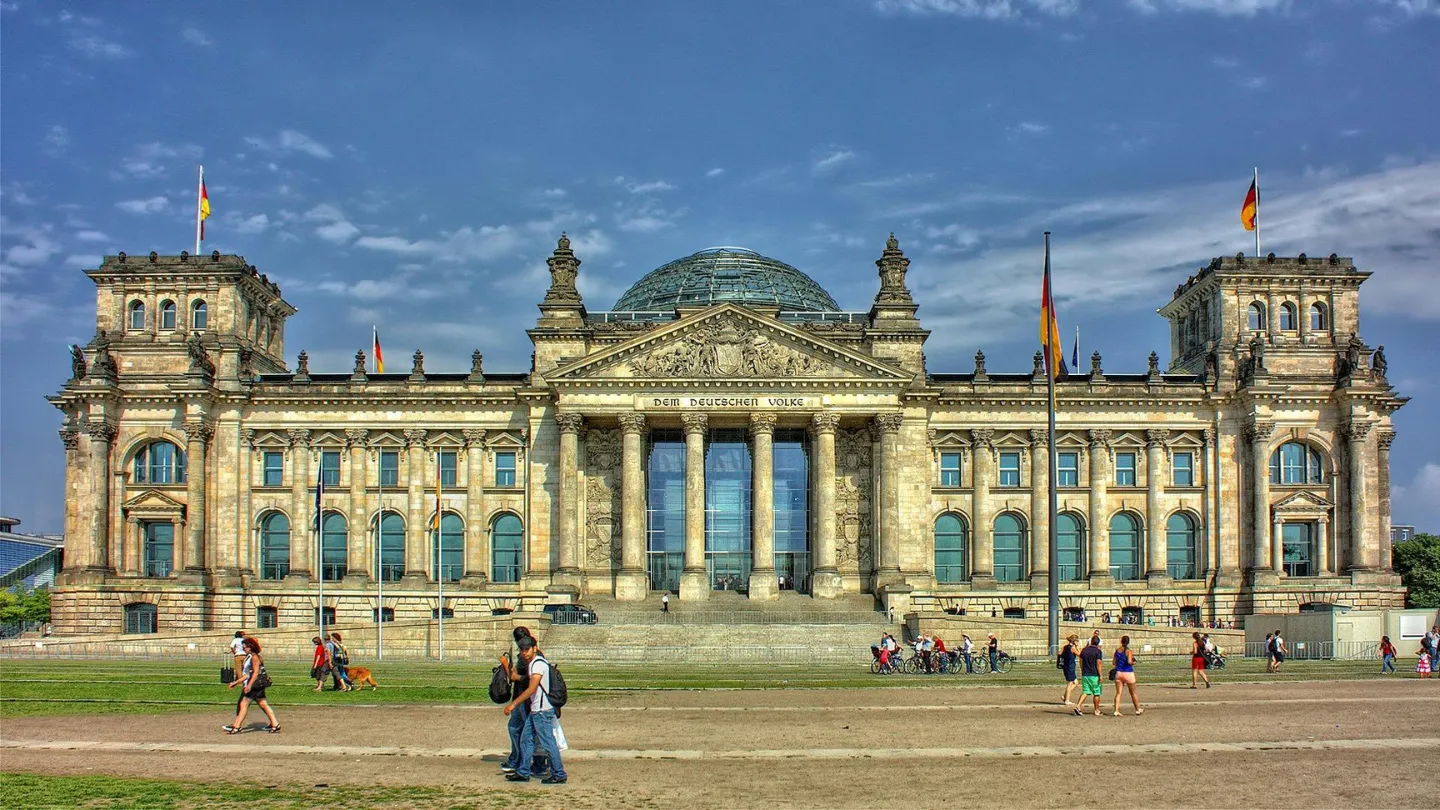
The Reichstag Building is one of the most important landmarks in Berlin. It houses the German Parliament and symbolises transparency and democracy after reunification. The historic façade contrasts beautifully with the modern glass dome above.
Visiting the Reichstag dome is free but requires advance registration. Once inside, you walk up a spiralling ramp with views down into the parliamentary chamber. From the top, the panorama stretches across central Berlin, offering clear views of the River Spree, Brandenburg Gate, and surrounding government buildings. It is one of the most rewarding things to do in Berlin.
Brandenburg Gate
The Brandenburg Gate is Berlin’s most recognisable symbol. Once standing in a no-man’s land between East and West Berlin, it now represents unity and peace. Walking through it feels simple, yet deeply significant.
The gate is especially atmospheric early in the morning or late evening when crowds thin and the lighting softens. Located near Tiergarten and Pariser Platz, it connects easily with other Berlin attractions and is a natural starting point for exploring the city.
Holocaust Memorial Berlin
The Memorial to the Murdered Jews of Europe, commonly known as the Holocaust Memorial Berlin, is one of the city’s most powerful spaces. Rows of concrete slabs rise and fall across an open area near Brandenburg Gate, creating a disorienting and emotional experience.
There is no set path through the memorial, which encourages quiet reflection. Beneath it, an information centre provides historical context and personal stories. It is not a place to rush and stands as a reminder of why Berlin’s history matters.
Fernsehturm Berlin and Berlin TV Tower
The Fernsehturm Berlin, also known as the Berlin TV Tower, dominates the skyline. Located at Alexanderplatz, it is visible from much of the city and reflects Berlin’s former East German identity.
A fast lift takes you to the observation deck, offering 360-degree views across Berlin. On clear days, landmarks like the Reichstag Building and Berliner Dom are easy to spot. There is also a rotating restaurant, making it one of the most memorable Berlin attractions, especially at sunset.
Alexanderplatz and World Clock Berlin
Alexanderplatz is busy, loud, and unmistakably Berlin. It has been a central meeting point for decades and still pulses with local life. Trams, trains, street performers, and shoppers all converge here.
The World Clock Berlin, officially called the Urania World Clock, is a popular meeting spot showing the time in cities around the globe. Nearby, shops, cafés, and open spaces make Alexanderplatz a practical stop during any Berlin city break.
East Side Gallery and the Berlin Wall
The East Side Gallery is the longest remaining open-air section of the Berlin Wall. Covered in murals painted by artists from around the world, it turns a symbol of division into one of hope and expression
Museum Island Berlin
Museum Island Berlin is a UNESCO World Heritage Site and home to some of the city’s finest cultural institutions. Located on the River Spree, it brings together five world-class Berlin museums in one compact area.
Highlights include the Pergamon Museum with its monumental ancient structures, the Neues Museum, and the Altes Museum. Even if you do not visit every building, walking around the island offers beautiful views and a sense of Berlin’s intellectual heritage.
Berliner Dom (Berlin Cathedral)
The Berliner Dom, or Berlin Cathedral, stands proudly near Museum Island. Its green dome and ornate design make it one of the city’s most striking buildings.
Inside, the cathedral feels grand yet peaceful. Visitors can climb to the dome for city views or explore the crypt below. The surrounding gardens and riverside paths make it a pleasant place to pause between sightseeing.
Gendarmenmarkt
Gendarmenmarkt is often described as Berlin’s most beautiful square. Framed by the French Cathedral, German Cathedral, and Konzerthaus, it feels elegant and calm compared to busier areas.
It is an ideal place to sit with a coffee or attend a concert in the evening. In winter, it hosts one of Berlin’s most charming Christmas markets. This square shows a softer, classical side of the city.
Topography of Terror Museum
The Topography of Terror Museum is built on the former headquarters of the Nazi secret police. It focuses on documentation rather than spectacle, presenting clear, factual accounts of one of the darkest periods in German history.
The outdoor remains of the Berlin Wall run alongside the site, adding context to the exhibitions. Entry is free, and the experience is sobering but essential for understanding Berlin beyond its surface.
Checkpoint Charlie
Checkpoint Charlie was the most famous crossing point between East and West Berlin during the Cold War. Today, it is a popular stop, marked by signage and displays explaining its history.
While the area has become tourist-focused, the stories behind it remain compelling. Nearby exhibitions and museums help bring context to what was once a tense and dangerous border.
Potsdamer Platz
Potsdamer Platz represents modern Berlin. Once divided by the Berlin Wall, it is now filled with glass towers, cinemas, and restaurants.
It may not feel traditionally charming, but its transformation tells a powerful story of change. It is also a good place to visit in the evening, with entertainment venues and dining options close together.
Berlin Food Experiences
Trying Berlin food is an essential part of the visit. Currywurst Berlin is the city’s most famous street food, usually served with fries and eaten standing at casual stalls. It is simple, comforting, and deeply local.
For something sweeter, the Ritter Sport Shop Berlin near Gendarmenmarkt allows visitors to customise chocolate bars. Traditional bakeries, Turkish street food, and international cuisine reflect Berlin’s multicultural identity and make eating in the city both affordable and diverse.
Where to Stay in Berlin
For central sightseeing, Mitte is the most convenient area, close to major Berlin attractions and transport links. It suits first-time visitors and short stays.
For a more creative and relaxed feel, consider Kreuzberg or Prenzlauer Berg. These neighbourhoods offer boutique hotels, cafés, and easy access to nightlife. Budget travellers will also find well-connected hostels and guesthouses across the city.
Visiting Berlin Tips
- Public transport in Berlin is reliable and easy to use. A day pass or travel card saves money and time.
- Many museums close on Mondays, so plan visits carefully.
- Comfortable shoes are essential, as Berlin is best explored on foot.
- Respect memorial spaces by keeping noise low and photography appropriate.
- Advance booking is recommended for the Reichstag dome and Berlin TV Tower.
FAQs
Q1. Is Berlin a good city break destination?
Yes, a Berlin city break offers history, culture, food, and nightlife all within a well-connected city.
Q2. How many days are enough for Berlin?
Three to four days allow time to see major Berlin attractions without rushing.
Q3. Is the Reichstag dome free to visit?
Yes, entry is free, but online registration is required in advance.
Q4. What is the best area to stay in Berlin for sightseeing?
Mitte is the most central and convenient for first-time visitors.
Q5. Is Berlin safe for tourists?
Berlin is generally safe, with standard precautions needed in busy areas.
Q6. Can you see the Berlin Wall today?
Yes, the East Side Gallery and other sections remain across the city.
Conclusion
Berlin is not a city that reveals itself all at once. Its landmarks, museums, and streets tell layered stories that reward time and attention. From the Reichstag Building and Brandenburg Gate to the Berlin Wall and Museum Island Berlin, every experience adds depth to your visit.
If you are planning your journey, you can discover more detailed guides and hidden insights on The Peace Destinations website. Berlin is a place to explore thoughtfully, and it rarely leaves visitors unchanged.



 Trustpilot